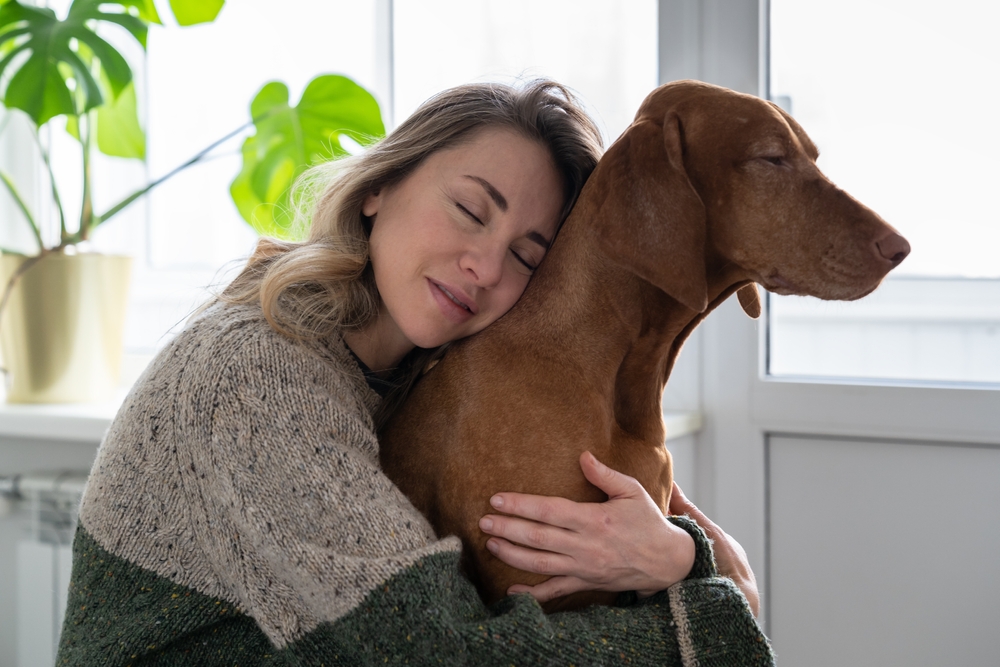
When your dog is struggling with anxiety, it does not always look obvious at first. Many pet owners think their dog is just being playful, energetic, or a little stubborn. But sometimes, what you are seeing is stress building up inside your furry companion.
Dogs cannot tell you when something feels wrong. They show it through behavior, body language, and daily habits. As a pet owner, noticing these early signs can make a real difference in your dog’s comfort, happiness, and long term health.
In this article, you will learn the most common signs that your dog may be dealing with anxiety, why it happens, and what you can do to help them feel more relaxed and safe at home.
Why Dog Anxiety Happens
Dog anxiety can develop for many reasons, and it is often a mix of environment, experience, and personality. Some dogs are naturally more sensitive, while others develop stress after certain events.
Common causes include:
- Separation from owners
- Loud sounds like fireworks or thunderstorms
- Travel or car rides
- Vet visits or grooming sessions
- Changes in routine or environment
- Lack of mental stimulation
- Past trauma or neglect
Understanding these triggers helps you see that anxiety is not bad behavior. It is a response to feeling unsafe or overwhelmed.
1- Excessive barking or whining
One of the earliest signs your dog is struggling with anxiety is constant barking or whining without a clear reason.
This behavior often increases when:
- You leave the house
- There are loud noises outside
- The dog feels alone or unsure
It is not just noise. It is your dog trying to express discomfort or fear.
2- Destructive behavior at home
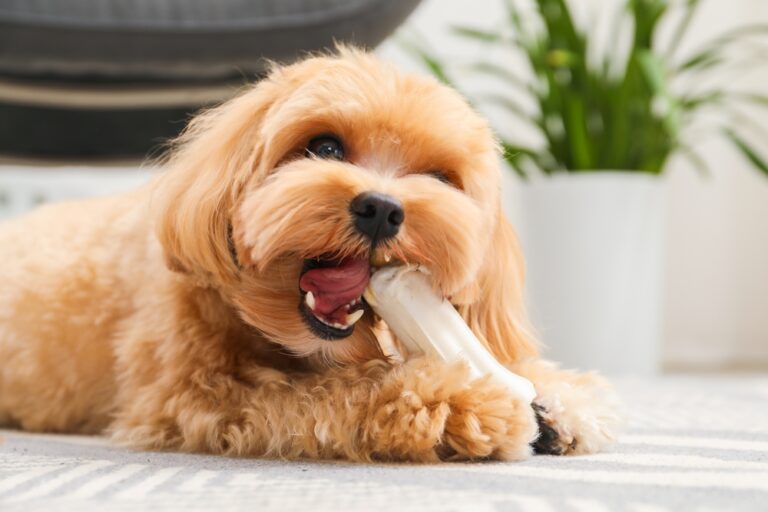
If your dog starts chewing furniture, scratching doors, or destroying objects, it may not be simple mischief.
An anxious dog often releases stress through physical activity. This is especially common when they are left alone.
You might notice:
- Chewed shoes or furniture
- Scratched doors or walls
- Torn pillows or bedding
This behavior is often linked to separation anxiety.
3- Restlessness and inability to relax
A calm dog can settle easily, even during quiet time. But when your dog is struggling with anxiety, they may constantly move around.
Signs include:
- Pacing from room to room
- Difficulty lying down peacefully
- Frequent position changes
Even when they are tired, they cannot fully relax.
4- Excessive panting without physical activity
Panting is normal after exercise, but anxiety related panting is different.
You may notice your dog:
- Panting while resting
- Breathing faster in calm environments
- Appearing uneasy without heat or exercise
This is often a physical response to stress hormones in the body.
5- Loss of appetite or sudden eating changes
Stress can directly affect your dog’s eating habits.
Some dogs:
- Refuse food completely
- Eat much less than usual
- Eat quickly due to nervousness
If your dog suddenly changes eating behavior without medical cause, anxiety may be involved.
6- Clingy behavior or separation distress
Some dogs become overly attached when they feel insecure.
You might notice:
- Following you everywhere in the house
- Panic when you prepare to leave
- Scratching at doors when you are gone
This is a strong sign of emotional dependency caused by anxiety.
7- Trembling or shaking in normal situations
Shaking is not always due to cold. In anxious dogs, it often appears during stressful moments.
Common triggers include:
- Thunderstorms
- Fireworks
- Car rides
- Visits to unfamiliar places
If your dog shakes even when it is safe and calm, emotional stress may be the cause.
8- Excessive licking or grooming
Dogs often self soothe through repetitive actions.
An anxious dog may:
- Lick paws constantly
- Chew fur or skin areas
- Focus on one body part repeatedly
This can sometimes lead to skin irritation or hair loss.
9- Aggression or sudden behavior changes
Some dogs react to anxiety by becoming defensive or aggressive.
You may see:
- Growling without clear reason
- Snapping when approached
- Sensitivity to touch or sound
This is not a personality change. It is a stress response.
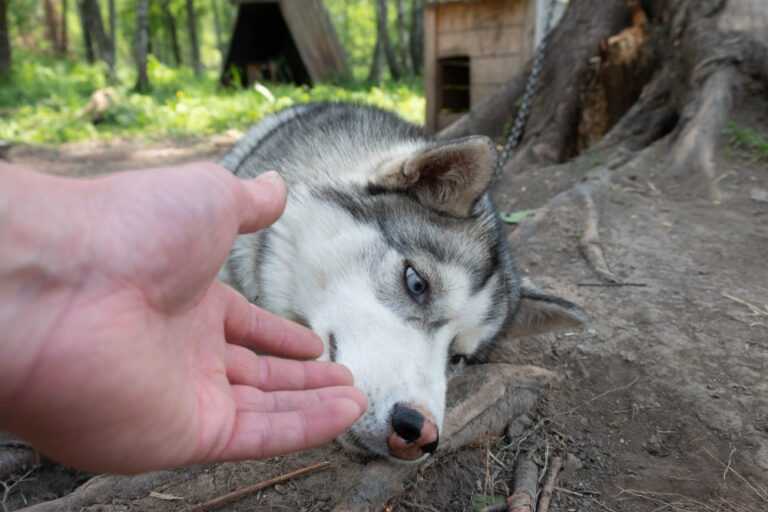
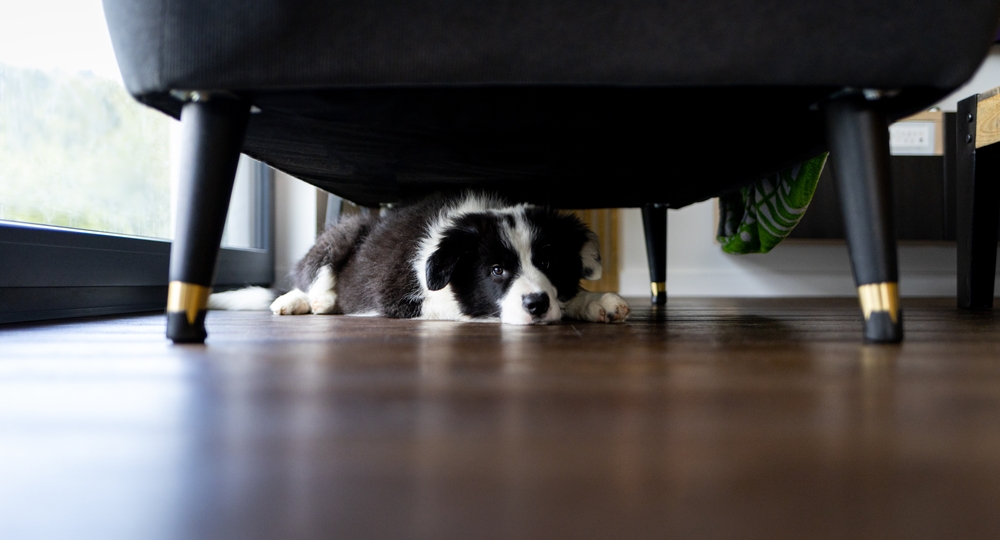
10- Hiding or avoiding interaction
When a dog feels overwhelmed, they may withdraw completely.
Signs include:
- Hiding under furniture
- Avoiding eye contact
- Staying away from family members
This behavior often shows emotional discomfort or fear.
How You Can Help a Dog With Anxiety
Helping your dog starts with patience and consistency. Small changes in daily routine can make a big difference.
You can support them by:
- Keeping a calm and stable routine
- Providing safe and quiet spaces
- Increasing daily exercise and play
- Using positive reinforcement training
- Avoiding sudden loud environments when possible
Sometimes, natural support can also help dogs feel more balanced in stressful situations.
Natural Support for Dog Anxiety

Many pet owners prefer gentle, non sedating options to help their dogs stay calm.
One natural option designed for emotional balance is:
Calm & Comfort from Secure a Pet RX
This supplement is designed to support dogs dealing with stress, nervousness, and hyperactivity using natural ingredients.
It includes:
- Taurine for nervous system support
- Inositol for mood balance
- L Theanine for relaxation without drowsiness
- Thiamine for stress response support
- Lemon balm for natural calming effects
These ingredients work together to help dogs feel more relaxed during stressful situations like fireworks, separation, travel, or vet visits.
You can learn more here Calm & Comfort
It is always recommended to speak with a veterinarian before introducing any new supplement, especially if your dog has existing health conditions.
For additional guidance on dog anxiety and behavior, you can also read this trusted veterinary resource on understanding anxiety in dogs:
Learn more about canine anxiety from the American Veterinary Medical Association.
Conclusion
When your dog is struggling with anxiety, the signs are often subtle at first but become clearer over time. From barking and restlessness to hiding and destructive behavior, these signals are your dog’s way of communicating emotional stress.
The most important thing is not to ignore these signs. Early attention can improve your dog’s comfort and overall well being.
With patience, care, and the right support, including natural calming solutions like Calm & Comfort™, you can help your dog feel safer, more relaxed, and more emotionally balanced every day.
A calm dog is not just a happier pet, it is a healthier companion who can enjoy life with you more fully.
FAQs
What are the first signs of dog anxiety?
Early signs include restlessness, barking without reason, clingy behavior, and changes in eating habits.
Can dog anxiety go away on its own?
In most cases, anxiety does not go away without support. It can improve with training, routine changes, and calming support.
Is dog anxiety dangerous?
Severe anxiety can affect health, behavior, and quality of life if not managed properly.
How can I calm my anxious dog naturally?
Regular exercise, stable routines, safe spaces, and natural calming supplements may help reduce stress.
When should I see a vet for dog anxiety?
If symptoms are severe, ongoing, or affecting daily life, a veterinarian should be consulted.