
With growing age, dogs’ bodies start to slow down, bones weaken, and immune function declines. These aging factors can make them more vulnerable to common illnesses, infections, joint problems, slow healing, chronic inflammation, and reduced energy levels, as happens in humans, too. For pet owners, this can be a worrying stage, but the good news is that immunity boosting supplements support senior dogs’ health and keep them active, happy, and comfortable in their golden years.
Supplements can help bolster the immune system of the dogs. But it’s crucial to identify specific needs and potentially consult with a vet before starting any new regimen. This guide will cover all of these points, explaining why senior dogs need extra immune support, the potential benefits of supplements, and which products you can choose for your furry friend.
So, let’s get started!
Why Senior Dogs Need Immune Support
A dog’s immune system is its natural defense against harmful bacteria, viruses, and toxins. As they age, their immune response weakens due to:
Natural aging process
The aging factor is the major one that declines immunity in dogs because white blood cells (lymphocytes, monocytes, and granulocytes), which are important immune cells, become less effective. And this decline makes them less effective in fighting against pathogens and diseases. That’s the reason older pups experience more frequent or severe infections than the younger ones.
Slower metabolism
As dogs age, their ability to absorb nutrients naturally reduces. You can say they require just fewer calories to maintain a healthy weight. This makes them less active than young pups. Moreover, if their food intake and reduced metabolic rate are not adjusted accordingly, they’re prone to putting on weight. And this may lead to more health issues like orthopaedic disorders, endocrine disorders, or more.
Chronic conditions
Aging can also trigger several chronic issues in older dogs, such as arthritis, allergies, diabetes, heart issues, cognitive disorders, low-grade inflammation, or more. Even inflammaging can contribute to various other diseases and cause immune system dysfunction. If such canines take immunity boosting supplements, their vitality will improve and slow down the progression of age-related illnesses.
Slower recovery
Wounds and illnesses take longer to heal in senior dogs due to the reduced immune response. This can be particularly concerning for dogs with pre-existing conditions like diabetes. This makes senior dogs more prone to frequent sickness and slower recovery from injuries or infections.
Impact on vaccines
MDPI study shows that elderly dogs show a compromised primary response to vaccinations because the memory response of B cells, which are responsible for long-term immunity, remains intact. This makes them more susceptible to infections. Thus, although vaccines are still important for aged pups but most vets recommend more frequent boosters or alternative vaccination strategies (like immunity boosting supplements).
Environmental stressors
Pollution, poor diet, or stress further weaken a dog’s immunity. They may also be more prone to being infectious, like kennel cough or urinary tract infections.
Benefits of Immunity Boosting Supplements for Senior Dogs

As dogs grow older, their immune system naturally weakens, making them more susceptible to infections, joint problems, and digestive issues. While a balanced diet and regular vet checkups remain essential, adding immunity-boosting supplements can provide extra protection and support for your senior dog’s overall well-being. Below are some key benefits explained in detail:
Strengths Natural Defenses
Aging dogs often experience a decline in white blood cell activity, which makes it harder for them to fight off infections and seasonal illnesses. Supplements rich in antioxidants (like vitamin C, vitamin E, and selenium) and omega-3 fatty acids can:
- Neutralize harmful free radicals that damage cells
- Support stronger immune responses against viruses and bacteria
- Reduce the frequency of common issues such as skin allergies, coughs, and minor infections
This means your senior dog can stay healthier and recover faster when exposed to environmental stressors.
Supports Joint & Bone Health
Joint stiffness and arthritis are very common in older dogs. Ingredients like glucosamine, chondroitin, and MSM (methylsulfonylmethane) are often included in immunity-boosting supplements to:
- Maintain cartilage strength and flexibility
- Reduce inflammation in joints
- Improve mobility, allowing dogs to walk, climb, and play more comfortably
Research shows that long-term use of glucosamine and chondroitin can slow the progression of arthritis in dogs, helping them maintain an active lifestyle.
Improves Energy Levels
Senior dogs sometimes appear lethargic due to a combination of slowed metabolism and weaker immune function. Supplements that contain B vitamins, iron, and omega-3s can:
- Support red blood cell production for better oxygen flow
- Reduce fatigue and support overall vitality
- Encourage more activity and mental alertness
This means your dog won’t just “get by” in old age but can still enjoy walks, playtime, and bonding moments.
Enhances Digestion & Nutrient Absorption
Gut health is directly linked to immunity; around 70% of the immune system is housed in the digestive tract. Many senior dogs suffer from sensitive stomachs, reduced enzyme activity, or irregular bowel movements.
Supplements with probiotics, prebiotics, and digestive enzymes can:
- Balance the gut microbiome for smoother digestion
- Increase nutrient absorption from daily meals
- Reduce issues like bloating, constipation, or diarrhea
With better digestion, your dog not only feels more comfortable but also gets maximum benefit from the food they eat.
Promotes Longevity & Quality of Life
Ultimately, the goal of immunity-boosting supplements is not just to prevent illness but to extend and enhance life quality. A strong immune system means fewer health setbacks, quicker recovery times, and less reliance on medications. Over time, this leads to:
- A reduced risk of age-related diseases
- Better physical resilience
- A happier, healthier dog that can enjoy their senior years with comfort and joy
In a nutshell, immunity-boosting supplements are not miracle cures, but when combined with a balanced diet, regular vet visits, and exercise, they can make a noticeable difference in your senior dog’s health, energy, and longevity.
Let’s Choose the Right Canine Immune Support Formulas!
As all supplements are not the same, so to choose the right immunity boosting formulas for your dogs, focus on:
Natural ingredients
Always look for high-quality and natural ingredients like herbal extracts, antioxidants (vitamin E, vitamin C, and selenium) to reduce oxidative stress, mushrooms (shittake, reishi, and turkey tail) containing immune-boosting properties, fish oil to support heart health and effective against allergic symptoms, and colostrum which contains antibodies and growth factors that can benefit puppies and dogs with chronic inflammation.
👉 A point to be noted is must avoid using supplements that contain ingredients harmful to dogs, like garlic.
Dog’s Specific Needs
Always prioritize your dogs’ unique needs according to their age and life stage. Whether they are puppies, adults, or senior ones, all have different nutritional requirements. For younger dogs, colostrum is highly recommended, while older ones might need more support for joint health and cognitive function. Moreover, some dogs have allergies, digestive issues, weakened immunity, or ther health concerns. So, choose a formula that thoroughly addresses those specific needs.
Vet-approved formulas
Always get personalized recommendations from vets based on your dog’s individual needs and health history. Moreover, familiarize yourself with ingredient names and dosage recommendations. Prioritize products with evidence from canine nutrition studies that demonstrate effectiveness. Choose those brands that assure transparency and quality control about their ingredients and manufacturing processes.
Age-appropriate blends
Look for supplements specifically designed for senior dogs, often labeled as “mature” or “senior,” and consider ingredients like glucosamine, antioxidants, and omega-3 fatty acids. In addition, make sure the formula is easily digestible, especially if your dog has sensitivities, and opt for high-quality protein sources.
Dosage and over-supplementation
Label instructions are important to follow, so adhere to the recommended dosage guidelines for your dog’s weight and age. Meanwhile, make sure to avoid over-supplementation because giving too much of certain vitamins or minerals can be harmful. For this, ask your vet to determine the appropriate dosage.
Recommended Product for Mature Dogs
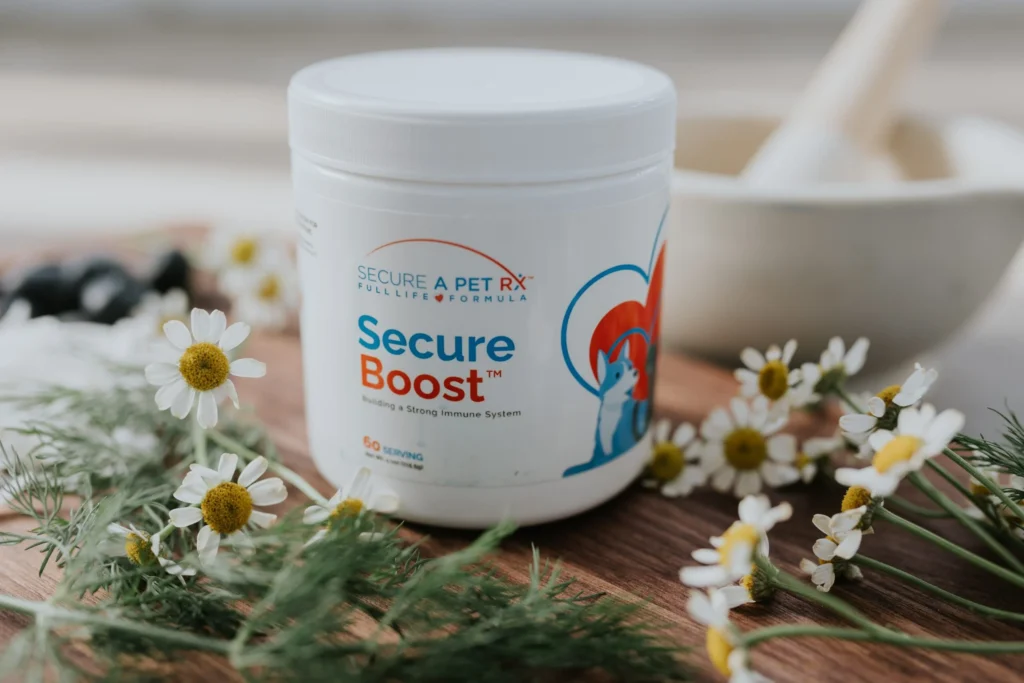
At SecureAPetRx, we provide vet-recommended supplements that are safe, effective, and personalized to your dog’s specific health needs. For boosting the immune system in senior dogs, our immunity boosting supplements are the best pick, because they ensure:
✓ Supports immune strength
✓ Improves overall vitality
✓ 100% natural formula
✓ Suitable for dogs of all ages, especially senior ones
By including this supplement in your dog’s daily diet, you can give them the extra immune protection they need to stay strong and active.
How to Introduce Supplements to Your Senior Pups
There are some necessary points you must consider while introducing supplements to your older dogs. Such as:
- First, consult your vet for the right dosage based on your dog’s weight and condition
- Start with small doses and gradually increase over several days or weeks
- Mix the supplement with their regular meals to mask the taste
- Monitor for any digestive upset or behavioral changes
- Be consistent, as daily use ensures the best results
Final Thoughts
In short, senior dogs deserve the best care in their golden years, just like humans. While age-related changes are natural. So you can help your furry companion stay healthier and stronger with immunity boosting supplements.
Now it’s more important to figure out and choose the best suitable product for your pets. It must be trusted by vets as available at Secure A Pet RX. Thus, you’ll not just support your dog’s immune system but also give them the gift of comfort, energy, and a better quality of life that shows your real affection for them and strengthens the bond between both of you.
Frequently Asked Questions
Do vets recommend supplements for dogs?
Yes, vets often recommend that dog owners add supplements to their pets’ diet. But it’s not as a routine addition. They may take it for specific reasons or to address particular health concerns. For example, older dogs need supplements to boost their immunity, providing extra defense and overall health support.
What is the best immunity supplement for senior dogs?
Vet-approved, natural supplements like those from SecureAPetRx are ideal for boosting immunity safely. These are well-equipped with a combination of antioxidants (vitamins A, C, and E) and essential trace minerals like Magnesium Chloride and Magnesium Oxide, which can be beneficial for a dog’s immune support.
Can supplements replace a healthy diet for dogs?
No. Supplements cannot replace a balanced diet and proper vet care for dogs. However, they are designed to support overall health, fill nutritional gaps, or address specific needs. But they should always be used alongside a proper diet and vet care, not as a substitute.
How long does it take for supplements to work in senior dogs?
There is no set standard to see clear improvements, but regular use for 3 to 6 weeks may show some signs of betterment in the dog’s health. Note that 4 to 6 weeks is a common timeframe for joint supplements to start improving mobility. The exact duration varies depending on the type of supplement, the dog’s health, and the specific condition being addressed.
At what age is a dog’s immune system fully developed?
Generally, a dog’s immune system is not fully developed at birth. But rather it matures over the first six months of life. While puppies are born with some innate immunity, their specific or adaptive immunity develops gradually as they encounter microorganisms and through vaccination. And this maturation process typically completes around six months of age.