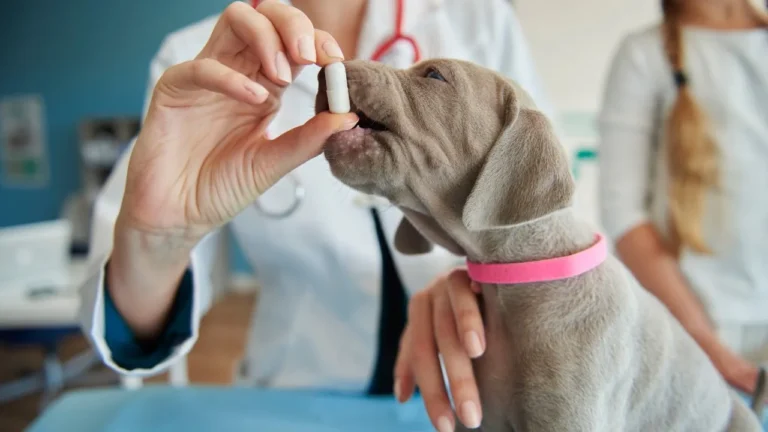
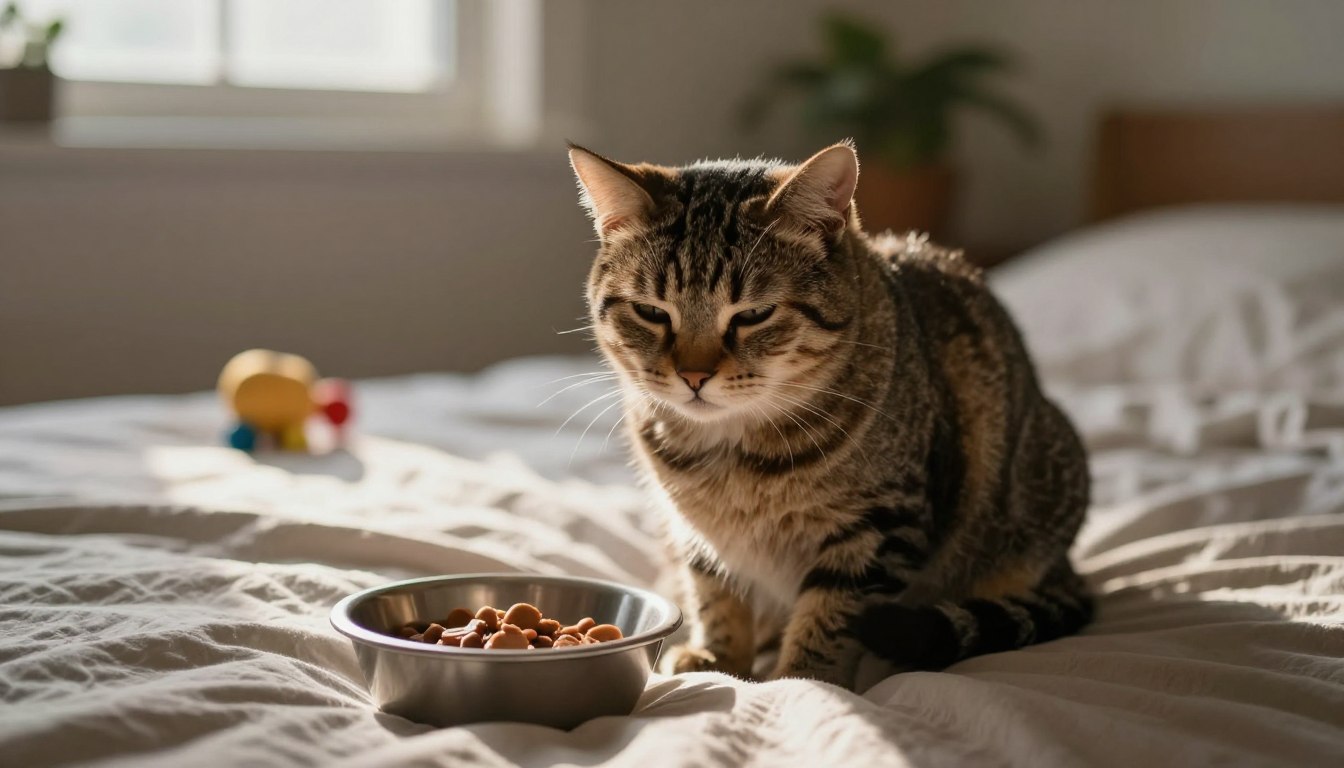
As a pet owner, it’s concerning when your pet’s behavior changes. A decrease in energy or appetite can be a sign of an underlying issue that needs attention. If you’re wondering why your dog seems tired all the time or why your cat is not eating and sleeping more, you’re not alone.
There are several common reasons pets stop eating or lose their vitality. Understanding these reasons is crucial to helping your pet regain their energy. In this article, we’ll explore the possible causes behind your pet’s condition and provide guidance on how to support them.
Key Takeaways
- Common health issues can cause pets to lose energy or appetite.
- Changes in environment or routine can affect your pet’s behavior.
- Consulting a veterinarian is crucial for determining the cause.
- Dietary adjustments can help restore your pet’s vitality.
- Monitoring your pet’s behavior is key to early detection.
Understanding the Signs of a Pet Lost Energy
Noticing a change in your pet’s energy levels can be concerning, and it’s essential to understand the signs that something might be wrong. Pets, like humans, can experience fluctuations in energy, but a persistent loss of energy or interest in activities can be a red flag.
Common Behavioral Changes to Watch For
When a pet loses energy, it often manifests in various behavioral changes. These can include a decrease in activity level, less interest in play, or changes in sleeping patterns. Monitoring these changes closely is crucial as they can indicate underlying health issues. For instance, a pet that once enjoyed playing fetch might now show little enthusiasm for the activity.
Differentiating Between Normal Fatigue and Concerning Lethargy
It’s normal for pets to experience fatigue from time to time, just like humans. However, lethargy that persists or is accompanied by other symptoms like loss of appetite can be a cause for concern. As one expert notes, “Lethargy is a nonspecific symptom that can be associated with many different conditions, ranging from mild to severe.” Understanding the difference between normal tiredness and a more serious condition is key to providing the right care for your pet.
Ageing pets, in particular, may experience a natural decline in energy levels, but significant or sudden changes should still be investigated. Factors such as stress and anxiety can also contribute to a pet’s loss of energy, making it essential to consider these elements when assessing your pet’s overall health.
Medical Causes Behind Decreased Appetite and Energy
When pets lose their appetite and energy, it’s often a sign of an underlying medical issue that needs attention. Various health problems can contribute to this condition, affecting a pet’s quality of life. Understanding these causes is crucial for providing the right care and support.
Digestive System Issues and Their Impact
Digestive system issues are a common cause of decreased appetite and energy in pets. Conditions such as gastroenteritis, inflammatory bowel disease, and gastrointestinal foreign bodies can lead to a reduction in appetite and overall energy levels. These issues can cause pain, nausea, and discomfort, making it difficult for pets to eat or digest food properly.
As Dr. Jane Smith, a veterinarian, notes, “Digestive problems can significantly impact a pet’s overall health and vitality. It’s essential to address these issues promptly to prevent further complications.”
Infections and Inflammatory Conditions
Infections and inflammatory conditions are another significant factor contributing to decreased appetite and energy in pets. Bacterial, viral, or fungal infections can cause a range of symptoms, including lethargy and loss of appetite. Inflammatory conditions, such as pancreatitis or arthritis, can also lead to a decrease in energy levels and appetite.
Chronic Diseases Affecting Pet Vitality
Chronic diseases, such as diabetes, kidney disease, and heart disease, can significantly impact a pet’s energy levels and appetite. These conditions often require ongoing management and treatment to prevent complications and improve the pet’s quality of life.
As stated by the American Animal Hospital Association, “Chronic diseases can have a significant impact on a pet’s overall health, making it essential to work closely with a veterinarian to manage these conditions.”
Age-Related Factors Affecting Your Pet's Vigor
The aging process in pets is marked by a decrease in vigor and alterations in their nutritional requirements. As pets grow older, their bodies undergo various changes that can impact their overall health and well-being.
How Senior Pets' Energy Levels Naturally Change
Senior pets naturally experience a decline in energy levels due to the aging process. This decrease can be attributed to various factors, including reduced muscle mass, decreased metabolic rate, and potential chronic health issues. It’s essential to understand that a certain level of decline is normal, but significant or sudden changes should be discussed with a veterinarian. For instance, older pets may not be as active or playful as they once were, and their sleep patterns may change.
Nutritional Needs of Aging Pets
The nutritional needs of aging pets differ significantly from those of younger animals. Older pets require a diet that is tailored to their specific needs, which may include fewer calories but more of certain nutrients. Nutritional adjustments can help manage age-related health issues and support overall vitality. For example, senior pets may benefit from diets rich in omega-3 fatty acids, antioxidants, and fiber. It’s also crucial to ensure they have access to fresh water at all times.
Consulting with a veterinarian can help determine the best nutritional plan for your aging pet, ensuring they receive the necessary support to maintain their health and quality of life.
Psychological Factors: Stress and Anxiety in Pets
Pets, like humans, experience stress and anxiety, which can manifest as loss of appetite and lethargy. Understanding these psychological factors is crucial for pet owners to provide a supportive environment.
Environmental Stressors That Affect Appetite
Various environmental stressors can impact a pet’s appetite, including changes in the household, introduction of new pets or family members, and even changes in the owner’s work schedule. Creating a stable and calm environment is essential to mitigate these stressors.
For instance, providing a quiet space for your pet to eat and relax can help reduce stress-related appetite loss.
| Environmental Stressor | Potential Impact on Pet | Mitigation Strategy |
|---|---|---|
| Changes in Household | Stress, Anxiety | Gradual Introduction to Changes |
| New Pets or Family Members | Jealousy, Stress | Slow Integration, Positive Reinforcement |
| Owner’s Work Schedule Changes | Separation Anxiety | Gradual Adjustment, Interactive Toys |
Separation Anxiety and Its Physical Manifestations
Separation anxiety is a common issue in pets, leading to destructive behavior, barking, and in some cases, physical symptoms like loss of appetite. Recognizing the signs of separation anxiety is the first step towards addressing it.
Strategies to alleviate separation anxiety include training, providing interactive toys, and in some cases, professional help.
Pain and Discomfort: Silent Energy Drainers
Pain and discomfort are silent energy drainers that can significantly impact a pet’s quality of life. When pets are in pain, they often exhibit changes in behavior, including a decrease in energy levels and appetite.
Joint Pain and Mobility Issues
Joint pain is a common issue in pets, especially as they age. It can lead to mobility issues, making it difficult for them to move around or engage in activities they once enjoyed. Joint pain affecting appetite is a real concern, as pets in pain may not want to eat or may have difficulty consuming food due to reduced mobility.
Dental Problems Affecting Eating Habits
Dental problems are another significant source of pain for pets. Issues like gum disease, tooth abscesses, or broken teeth can make eating uncomfortable or painful, leading to a decrease in appetite. Regular dental care is crucial to prevent these issues.
Internal Pain: How to Recognize the Signs
Internal pain can be more challenging to diagnose than joint or dental pain. Signs of internal pain include changes in behavior, such as whining, panting, or restlessness. Pets may also exhibit changes in appetite or energy levels. Recognizing these signs early is vital for providing appropriate care.
In conclusion, pain and discomfort are significant factors that can drain a pet’s energy and affect their appetite. By understanding the causes, such as joint pain, dental issues, and internal pain, pet owners can take steps to alleviate their pet’s suffering and improve their quality of life.
When to Seek Veterinary Care for a Pet Lost Energy
A decrease in your pet’s vitality or appetite can signal underlying health issues, making it vital to know when to consult a veterinarian. Recognizing the right moment to seek veterinary care is crucial for your pet’s health and well-being.
Red Flags That Require Immediate Attention
Several signs indicate that your pet needs immediate veterinary care. These include:
- Severe lethargy or depression
- Refusal to eat for more than 24 hours
- Vomiting or diarrhea
- Significant weight loss
- Difficulty breathing
If you observe any of these symptoms, it’s essential to act quickly.
What to Expect During a Veterinary Examination
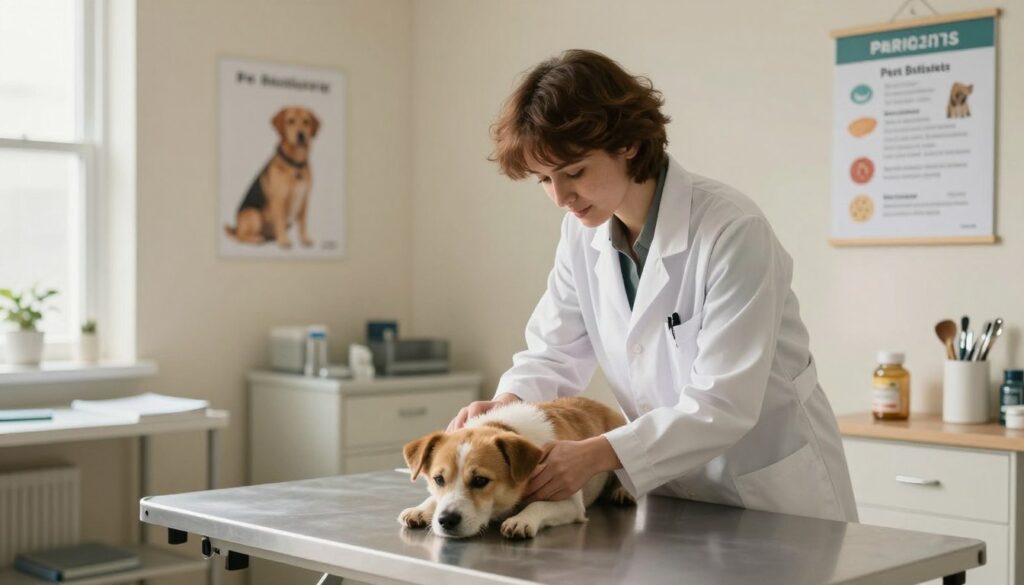
During the veterinary examination, the vet will perform a thorough physical check-up, including examining your pet’s overall condition, checking vital signs, and looking for any signs of illness or injury. The vet will also ask about your pet’s medical history, diet, and any changes in behavior or appetite.
Diagnostic Tests Your Vet Might Recommend
To determine the underlying cause of your pet’s condition, the vet may recommend various diagnostic tests, such as blood tests, urinalysis, imaging studies (e.g., X-rays or ultrasound), and other examinations as necessary.
By understanding when to seek veterinary care and what to expect during the examination, you can ensure your pet receives the necessary attention to regain their health and vitality.
Nutritional Support for Low-Energy Pets
When pets lose their energy, one of the critical areas to address is their nutritional intake. Pets with low energy often benefit from adjustments in their nutritional support to help restore their vitality.
Diet Modifications to Stimulate Appetite
Modifying your pet’s diet can be an effective way to stimulate their appetite. Consider warming their food or adding a small amount of low-sodium broth to make it more appealing. Some pets prefer a change in their food’s texture or flavor, so trying different types of food can be beneficial.
- Try different protein sources like chicken or fish.
- Experiment with various food textures, such as pate or chunks.
- Add a small amount of a tasty topper to their meals.
Essential Nutrients for Energy Production
Pets require a balanced diet rich in essential nutrients to maintain their energy levels. High-quality protein is crucial for energy production, while complex carbohydrates provide sustained energy. Ensure their diet includes vital vitamins and minerals, such as Vitamin B12 and iron, which play significant roles in energy metabolism.
Feeding Strategies for Reluctant Eaters
For pets that are reluctant to eat, several feeding strategies can be employed. Feeding smaller, more frequent meals can make eating less overwhelming. It’s also helpful to create a calm eating environment free from distractions. If your pet continues to show little interest in food, consult with your veterinarian to rule out underlying health issues.
- Feed smaller meals throughout the day.
- Minimize distractions during meal times.
- Consult a veterinarian if appetite doesn’t improve.
Natural Supplements and Lifestyle Changes for Boosting Vitality
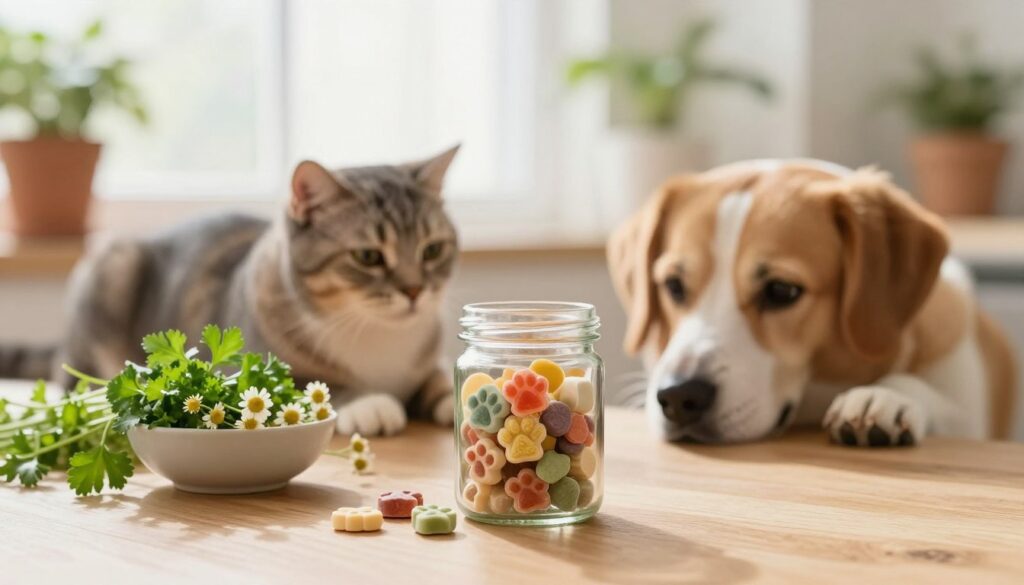
Natural supplements and lifestyle modifications can significantly enhance your pet’s overall vitality and well-being. By incorporating the right supplements and making thoughtful changes to their daily routine, you can help boost their energy levels and improve their quality of life.
Immune-Supporting Supplements
Immune-supporting supplements play a crucial role in maintaining your pet’s health. Supplements rich in antioxidants, such as vitamins C and E, help protect cells from damage. Omega-3 fatty acids are also beneficial, providing anti-inflammatory effects that support overall immune function. “A strong immune system is key to your pet’s vitality,” says Dr. Jane Smith, a renowned veterinarian.
“Antioxidants and omega-3 fatty acids are essential for maintaining a healthy immune system in pets.”
Joint and Mobility Supplements
As pets age, joint health becomes increasingly important. Supplements containing glucosamine and chondroitin can help maintain joint health and mobility. These ingredients work together to support cartilage health and reduce inflammation, making it easier for your pet to stay active. Regular use of these supplements can significantly improve your pet’s quality of life, especially for senior pets or those with arthritis.
Environmental Enrichment for Increased Activity
Environmental enrichment is a vital aspect of boosting your pet’s vitality. Simple changes, such as adding new toys or creating obstacle courses, can stimulate your pet’s mind and encourage physical activity. Regular walks and playtime also contribute to a more active lifestyle. By enriching your pet’s environment, you can help reduce boredom and stress, leading to a more energetic and engaged pet.
By combining natural supplements with lifestyle changes, you can significantly enhance your pet’s vitality. Consult with your veterinarian to determine the best approach for your pet’s specific needs.
Conclusion: Restoring Your Pet's Zest for Life
Restoring your pet’s energy and vitality requires understanding the underlying causes of their condition. By identifying the potential reasons behind their lethargy, you can take the first step towards helping them feel better naturally.
Implementing the right strategies, such as providing nutritional support, using natural supplements, and making lifestyle changes, can help boost your pet’s energy levels. Natural ways to boost pet energy include dietary modifications, immune-supporting supplements, and environmental enrichment.
If you’re wondering why has my pet lost energy, it’s essential to consider factors such as age-related changes, medical conditions, and psychological stressors. By addressing these underlying issues, you can provide natural support for tired pets and help them regain their zest for life.
By working closely with your veterinarian and making informed decisions, you can help your pet enjoy a healthier, happier life. With the right approach, you can help a pet feel better naturally and restore their energy and vitality.