
There is something special about bringing a puppy home.
Those little paws, curious eyes, endless energy, and the excitement they bring into your home can make every day feel different. But along with the cuddles and playtime comes a big responsibility. You want to make sure your puppy is eating the right food, getting the right nutrients and growing into a happy, healthy dog.
For many new pet owners, puppy nutrition can feel confusing. There are so many foods, treats, vitamins and supplements available that it can be difficult to know what your puppy actually needs.
This puppy nutrition guide Australia pet parents can use will help you understand the basics, from choosing appropriate food to supporting healthy growth and knowing when additional nutritional support may be worth considering.
Why puppy nutrition matters so much
Puppies are growing and developing quickly.
Their bodies are building bones, muscles, teeth and other tissues while their brains and immune systems are also developing. This makes the quality and balance of their nutrition particularly important. A puppy should not simply eat whatever food is available at home. Their diet should be appropriate for their age, size and individual needs.
RSPCA Australia recommends that the foundation of a puppy’s diet should be a high-quality, balanced commercial puppy food that is suitable for their life stage and health status.
Think of nutrition as giving your puppy the foundation they need while they grow.
Starting with the right puppy food
One of the first questions new pet parents ask is simple.
What should I feed my puppy?
The answer can depend on your puppy’s age, breed, expected adult size, and health needs.
Look for a complete and balanced puppy food that is specifically designed for growing dogs. Avoid choosing food based only on attractive packaging or a long list of ingredients.
You want a diet that provides the nutrients your puppy needs in appropriate amounts.
If you are unsure which food is suitable, your veterinarian can help you choose an option based on your puppy’s individual needs.
How often should a puppy eat
Young puppies have smaller stomachs and different nutritional needs compared with adult dogs.
RSPCA Australia recommends offering puppies food at least four times a day initially and gradually reducing meal frequency as they grow. Your puppy may also have individual feeding requirements depending on their breed and size.
Instead of guessing, use the feeding guidance provided with their food and monitor their growth and body condition with help from your veterinarian.
And there is one thing your puppy should always have access to.
Fresh, clean drinking water.
The nutrients growing puppies need
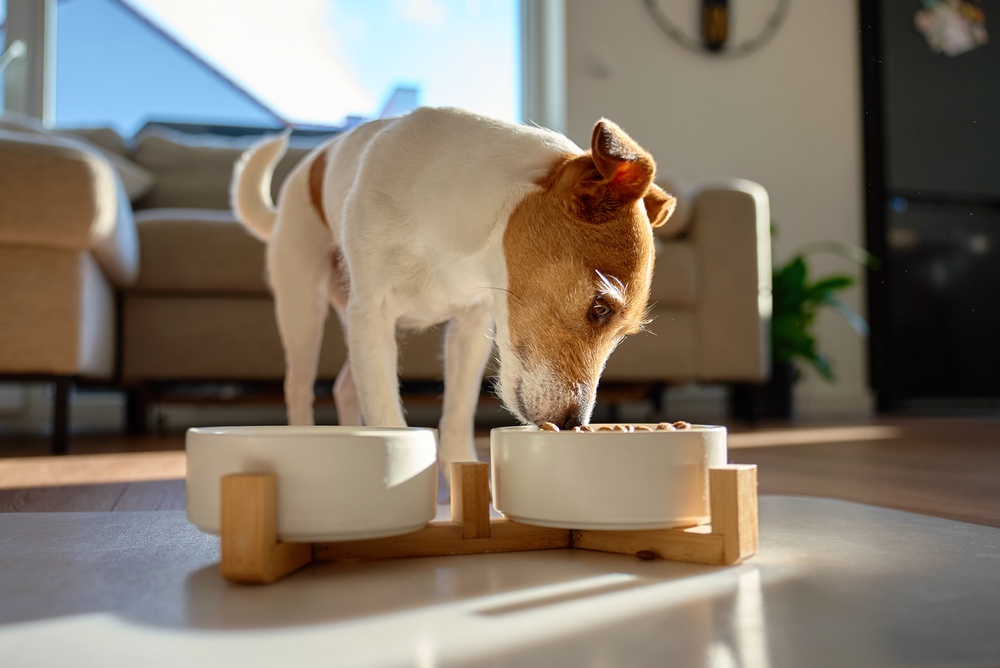
A healthy puppy diet is about balance.
Protein, fats, vitamins, minerals and other nutrients all have different roles in normal growth and development.
Protein for growing bodies
Protein provides amino acids that puppies need for normal growth and tissue development. A good puppy diet should contain appropriate levels of quality protein rather than relying on one particular ingredient as a miracle solution.
Your puppy’s nutritional needs can change as they grow, which is another reason regular veterinary checks are useful.
Vitamins and minerals
Vitamins and minerals support many normal functions within your puppy’s body. They can play roles in areas such as normal bone development, immune function, metabolism and overall wellbeing. However, this does not mean that adding extra vitamins is always better.
Too much of certain nutrients can also create problems. For example, RSPCA Australia advises that calcium supplements should not be given to puppies unless recommended by a veterinarian.
This is why it is important to look at your puppy’s complete diet before adding supplements.
Healthy fats
Dietary fats provide energy and supply essential fatty acids. Some nutrients found in appropriate puppy diets also support normal brain and eye development.
Rather than focusing on one specific ingredient, aim for an overall balanced diet that is suitable for your puppy’s growth stage.
Digestive support
Your puppy’s digestive system is also adapting as they grow. A sudden change in food can sometimes upset their stomach, so introducing new foods gradually is generally a sensible approach. Some puppy nutritional products also contain prebiotics or probiotics designed to support digestive health.
If your puppy regularly experiences diarrhoea, vomiting, poor appetite or other digestive problems, speak with your veterinarian rather than trying to manage an ongoing problem with supplements alone.
What about puppy vitamins and supplements
This is where many pet parents become unsure. If your puppy is already eating a complete and balanced diet, they may not need a collection of additional vitamins. However, some pet owners choose nutritional supplements as an additional part of their puppy’s wellness routine.
The important thing is to choose carefully.
A supplement should complement an appropriate diet rather than replace it. The Australian Veterinary Association also notes that deficiencies and excesses of calories, vitamins and minerals can affect animal health and that individual nutritional needs are best assessed with veterinary guidance.
Supporting your puppy beyond their food bowl
Good nutrition is important, but your puppy’s wellbeing is about much more than what is in their bowl.
A healthy puppy routine can include:
- Balanced puppy-appropriate food
- Fresh drinking water
- Age-appropriate exercise
- Positive training
- Mental stimulation
- Safe socialisation
- Regular veterinary care
- Appropriate parasite prevention
- Plenty of rest and sleep
RSPCA Australia also highlights balanced nutrition, fresh water, socialisation, training, play, exercise and preventative health care as important parts of caring for a new puppy.
Your puppy needs all of these things to feel secure, learn about the world and develop good habits.
Be careful with treats
Those puppy eyes can make saying no almost impossible. Treats can be useful for training and bonding, but they should not replace a balanced diet. It is easy to lose track of how many treats your puppy receives throughout the day, especially when different family members are giving them little rewards. Keep portions sensible and choose treats that are appropriate for puppies.
Most importantly, avoid foods that can be toxic to dogs. RSPCA Australia lists chocolate, caffeine, onions, garlic, grapes, raisins, sultanas, macadamia nuts and several other foods as unsafe for puppies and dogs.
Common puppy nutrition mistakes
Even loving pet owners can make mistakes because they simply want to give their puppy the best.
Here are a few things to watch for.
Feeding too much
A puppy looking hungry does not always mean they need more food.
Overfeeding can contribute to unhealthy growth and weight gain. RSPCA Australia notes that overfeeding puppies, particularly large and giant breeds, can predispose them to muscle and bone problems.
Changing food too quickly
A sudden change in diet can upset a puppy’s digestive system. If you need to change their food, consider doing it gradually.
Giving too many supplements
More supplements do not automatically mean better health. Always consider what your puppy is already receiving from their normal diet.
Following online advice without checking the source
There is no shortage of pet nutrition advice online. Some of it is helpful. Some of it is based on personal experience rather than reliable evidence. When something concerns your puppy’s health, check with a qualified veterinary professional.
How Puppy Start can support a growing puppy

If you are looking for additional nutritional support for your growing puppy, Puppy Start™ from Secure a Pet RX™ is designed to fit into a puppy’s daily routine.
It is a powdered formula containing a combination of nutritional ingredients, including vitamins, minerals, amino acids, prebiotics, and probiotic strains.
The formula includes ingredients such as:
- Reishi mushroom
- Shiitake mushroom
- Chaga mushroom
- Vitamin E
- Taurine
- L Arginine
- Zinc
- Vitamin D3
- Krill meal
- Desiccated beef liver
- Multiple probiotic strains
The powder can be mixed into your puppy’s meal, making it a simple way to add nutritional support to an existing routine.
If you are considering a supplement for your puppy, always consider their complete diet and individual needs. If your puppy has a health condition or takes medication, speak with your veterinarian before introducing a new supplement.
How to know if your puppy is doing well
Sometimes pet owners become so focused on food that they forget to look at the bigger picture.
Your puppy’s overall wellbeing can tell you a lot.
Are they interested in playing?
Are they eating normally?
Are they growing steadily?
Do they have good energy for their age?
Is their coat and skin looking healthy?
Are their stools generally normal?
Are they sleeping and resting comfortably?
These everyday observations can help you notice changes.
You know your puppy’s normal behaviour better than anyone. If something suddenly feels different, do not ignore that feeling.
When to speak with your veterinarian
Every puppy is different.
A puppy’s breed, size, age, activity level and health history can all affect their nutritional needs. Speak with your veterinarian if you are concerned about your puppy’s growth, appetite, weight, digestion or energy levels. You should also seek professional advice before giving supplements if your puppy has an existing health condition or is taking medication.
Regular veterinary visits allow your puppy’s weight and body condition to be monitored and give you an opportunity to ask questions about their diet and development.
Giving your puppy the best start
You do not need to create a complicated routine to be a great pet parent.
Start with the basics.
Give your puppy appropriate, balanced nutrition. Keep fresh water available. Follow sensible feeding portions. Provide exercise, play, training and plenty of rest. Pay attention to changes in their behaviour and health. And when you are unsure, ask for professional advice rather than guessing.
A puppy’s first months and years are a special time. They are learning, growing and discovering the world with you beside them. Every meal, every walk, every training session and every cuddle becomes part of that journey. With thoughtful nutrition and consistent care, you can help give your puppy the healthy foundation they deserve.
Because a healthy future starts with the little choices you make every day. 🐾
Conclusion
Giving your puppy the right nutrition does not have to be complicated. Start with a complete and balanced puppy diet, provide fresh water, keep treats in moderation and pay attention to your puppy’s growth, digestion, and overall wellbeing.
Every puppy is different, so their nutritional needs can change as they grow. If you are considering adding vitamins or supplements to their routine, it is always a good idea to discuss it with your veterinarian first.
With the right food, regular care and plenty of love, you can give your puppy a strong nutritional foundation for a healthy and happy life.
FAQs
What is the best food for a puppy in Australia?
The best food depends on your puppy’s age, breed, size and individual needs. Choose a complete and balanced puppy food designed specifically for growing dogs and speak with your veterinarian if you are unsure.
How often should I feed my puppy?
Young puppies generally need several small meals throughout the day. As they grow, meal frequency can gradually decrease. Follow the feeding instructions for your puppy’s food and ask your veterinarian for guidance based on your puppy’s needs.
Does my puppy need vitamins and supplements?
A puppy eating a complete and balanced diet may not need additional vitamins. Supplements can provide nutritional support in some situations, but they should not replace a balanced diet or veterinary care.
What nutrients are important for growing puppies?
Growing puppies need an appropriate balance of protein, fats, vitamins, minerals and other essential nutrients. Their exact nutritional requirements can vary depending on factors such as age, breed and size.
Can I give my puppy supplements every day?
Some puppy supplements are designed for daily use, but whether your puppy needs one depends on their overall diet and individual needs. Always follow the product directions and consult your veterinarian if your puppy has a health condition or takes medication.
How can I support my puppy’s digestive health?
Feed a suitable balanced diet, introduce food changes gradually, provide fresh water and avoid giving too many treats or unsuitable foods. If digestive problems continue, speak with your veterinarian.
When should I contact a vet about my puppy’s nutrition?
Contact your veterinarian if your puppy has ongoing digestive problems, changes in appetite, unusual weight changes, poor growth, low energy, or any other health concern. A vet can help determine whether a dietary change or additional nutritional support is appropriate.