Do you think the food you provide to your dog is enough? No doubt, a balanced diet keeps your furry friend fit, but sometimes food alone doesn’t provide all the nutrients they actually need to stay healthy, energetic, and playful for years to come. As humans, there may be some vitamins or mineral deficiencies in dogs too, and they affect their energy, coat, immunity, and overall health. That’s where dog multivitamin supplements play a significant role in filling the gaps and supporting your pet’s sound health and well-being.
Now, a point to ponder is how you know if your dog actually needs them? Let us make it easy for you. We’re going to discuss the top 7 signs your dog may benefit from multivitamin supplements. So you can take quick action before small issues with your pups turn into bigger health problems.
Why Dog Multivitamin Supplements Matter?
Just like humans, canines need nutritional balance in their diet with proper vitamins and minerals. Most dog food comes with a certain amount of nutrients, but not every dog gets the right amounts through diet alone. Multiple factors can create nutritional gaps, like pet age, breed, activity level, health conditions, and more. In order to cope with them, dog multivitamin supplements are essential because they help in:
Addressing Nutritional Deficiencies
If dogs have dietary restrictions or are fed low-quality food, the necessary vitamins and minerals are not incorporated into the body. Multivitamins can help ensure they receive a balanced intake of essential nutrients like vitamins A, B, C, D, and E, along with minerals like calcium and phosphorus.
These nutrients are crucial for various bodily functions. From improving energy metabolism to boosting immune health, nervous system function to improved digestion, nourishing skin and coat, and more, they can perfectly meet the nutritional intake of your furry friends.
Supporting Different Life Stages
Multivitamins can be used for dogs’ specific life stages. When they’re little puppies, these supplements can aid in healthy bone formation, growth, and immune system development. For adult dogs, they can help maintain joint health, provide energy for an active lifestyle, and support overall well-being.
And for senior dogs, most multivitamins contain antioxidants, glucosamine, and chondroitin that boost cognitive function and prevent cells, tissues, and DNA damage, along with addressing joint health concerns and age-related issues.
Addressing Specific Health Concerns
Besides nutritional deficiencies, dog multivitamin supplements also address specific health conditions, such as anxiety or stress, allergies, skin issues, or digestive problems. It’s because these canine vitamins contain specific nutrients like omega-3s, antioxidants, calming probiotics or prebiotics.
But it’s highly recommended you consult with a professional vet to determine if a multivitamin is appropriate for your dog’s individual needs and to address a specific health issue.
👉 Important Note: Dog multivitamin supplements should never replace a healthy, balanced diet. They act as a support system, filling in gaps where nutrition might be lacking, and should always be used with a vet’s guidance.
Top 7 Signs to Add Dog Multivitamin Supplements to Your Pet’s Diet

Now, let’s move to the main point! If you observe any of the given signs in your dog, make sure to add dog multivitamin supplements to their diet.
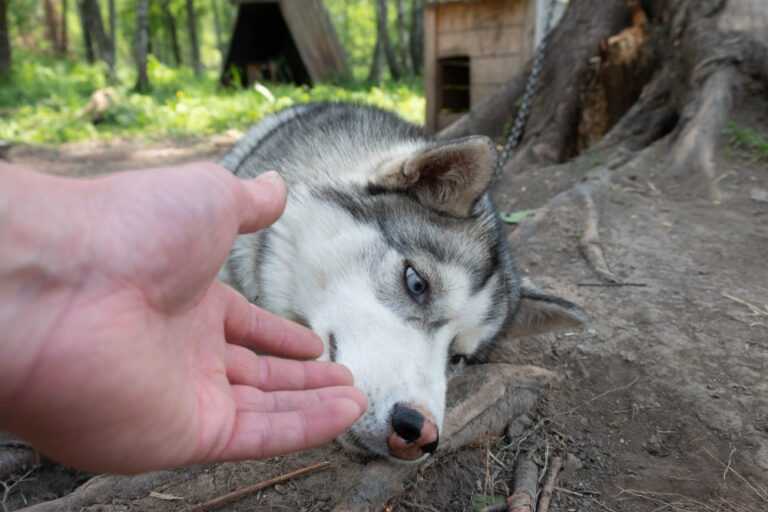
#1. Low Energy and Fatigue
If your dog appears tired despite getting enough rest, it may be a sign of a lack of essential nutrients and a need for a multivitamin supplement. But it mainly happens if the issue is persistent, like deficiencies in essential vitamins like B12, which is vital for energy metabolism and red blood cell production. Its deficiency may lead to anemia, causing fatigue and lethargy.
Moreover, deficiencies in iron, carbohydrates, or other B vitamins can also contribute to low energy levels in dogs. Even if they take a balanced diet, certain health concerns can hinder in absorbing nutrients and make supplements a must-have for them.
By the way, puppies, like adult dogs, also need certain vitamins for proper growth and nourishment, while older ones may benefit from supplements to support joints and overall vitality of life.
#2. Dull Coat or Excessive Shedding
A shiny coat represents a healthy dog. But if your pet’s fur looks dry, rough, or sheds more than usual, it often signal of missing key nutrients in their diet, like omega fatty acids to reduce inflammation and keep the skin hydrated, biotin or vitamin B7 prevents dryness, flakiness, and dullness of coat, zinc for skin bettter health, immune function, and wound healing, or vitamins (A, B, E) essential for skin and coat health.
Thus, the poor skin and coat health urges a potential need for a multivitamin supplement. Because this food alternative carry ingredients as mentioned before that can improve coat texture, reduce shedding, and make the fur of your puppy look healthy and shine again.
#3. Weak Immunity (Frequent Illness)
Do your dogs sick often, recover slowly from illness, seem lethargic, or have a dull coat? These are the clear indications of a weakened immune system or might not be strong enough to resist against any pathogens. Immune-boosting vitamins can help in this regard.
Particularly, deficiencies in vitamins like C and E lead to impairment of the immune system’s ability to fight off infections and promote healing, because these vitamins support their natural defenses. Adding dog multivitamin supplements can boost their immunity, giving extra support they need.
#4. Joint Stiffness or Mobility Problems
With aging, stiffness in joints and reduced movement are common in dogs. Moreover, there are some other signs too that cause jonit problems in dogs, such as:
- Decreased activity and reluctance to play
- Difficulty with basic movements
- Limping or favoring a limb
- Inappropriate urination
- Stiffness and swelling
- Changes in behavior
In order to cope with any of this concerning situation, make sure to incorporate dog multivitamin supplements to the diet of your furry friend.
But first take the professional assistance and as per the suggestion, choose supplements come with glucosamine, chondroitin, and calcium for your pet’s daily food intake. This addition supports their bone and joint health, and keeps older dogs more active, reducing discomfort while walking, climbing, or playing.
#5. Poor Appetite or Picky Eating
Some dogs often refuse food or eat very little. Are your dogs also did the same? Thus, they may not be getting enough essnetial vitamins they actually need. Multivitamins can fullfill this nutritional gap and encourage better appetite by addressing nutrient deficiencies, supporting digestion, and boosting their immune system. This also keeps their energy levels steady even when they are picky eaters.
Well, some points must be noted. Loss of appetite in pets might be common. But there are multiple factors involve to this, from stress to serious medical conditions, any one can be the reason. For your ease, we’ve listed some points when to consider a multivitamin for your dog:
- If your pet is on a restricted diet due to allergies or other concerns
- If your dog is recovering from a sickness and needs a quick boost to their immunity
- If your vet has suspected a nutritional deficiency in your dog due to any underlying health concern
#6. Slow Recovery from Injury or Illness
Lack of vitamins can delay healing. When dogs take longer than usual to heal from cuts, surgery, or sickness, and is prone to infections, it could be due to low essential vitamin (A, C, and E) and mineral levels.
Multivitamins with antioxidants, B vitamins, and iron can support faster healing and improve recovery time. Besides, vitamin A supplements are also good for tissue repair and improved skin health. Whereas, vitamin C aids in collagen production, which is vital for wound healing.
#7. Digestive Problems
Frequent gas, bloating, diarrhea, constipation, or irregular bowel movements in dogs, these issues may often arise from inadequate dietary intake or a deficiency in specific vitamins in their regular food intake. It mainly includes vitamin B complex, which is essential for proper digestion.
Such multivitamins are highly beneficial for canines’ gut health that contain prebiotics and probiotics, fiber, or digestive enzymes. They promote healthy gut bacteria, improve digestion, and ensure your dog gets the most from their meals.
How to Choose the Right Dog Multivitamin Supplements

This is the most important aspect to consider because not all supplements are equally effective for all dog types and breeds as per their specific health conditions. So, focus on the given points to choose the right ones for your furry buddy:
Check for vet-approved formulas
Always choose supplements recommended or tested by veterinarians because they can access your dog’s individual health, dietary needs, and potential interactions with existing medications.
Look for ingredients
Avoid products with fillers, artificial colors, potential allergens, or unncesseary additives and focus on natural, whole-food based ingredients, and essential nutrients like vitamins A, D3, E, B Complex, and C, along with minerals like zinc, selenium, and calcium. Moreover, consider glucosamine and chondroitin for joint health or probiotics for digestion, and more that support your pet’s specific needs.
Match your dog’s needs
Pick supplements based on your dog’s age, size, breed, and health condition. Puppies, adults, and seniors all have different nutritional needs. Like puppies need support for growth and movement while senior ones need to address age-related concerns.
Identify specific health concerns
If your dog has any specific health issues like joint issues, skin allergies, or immune system challenges, check out the supplements containing certain vitamins and minerals best useful for those underlying conditions.
Quality & Safety
Always consider reputable brands that adhere to strict quality standards. Look for APVMA verified which provide guidelines for labelling and manufacturing, and is aligned with global standards. And must avoid products with artificial colors, flavors, or preservatives.
If you’re looking for trusted options, you can explore Secure a Pet Rx’s shop. We offer a variety of dog multivitamin supplements meeting the specific needs of your pets. From chewables for easy feeding to specialized blends for joint, skin, and coat health, we caefully select every product to support your dog’s overall well-being.
Let’s Wrap Up
Pets always demand affection and they seem good if their health is good. But if your dog shows any of these seven signs: low energy, poor coat, weak immunity, or digestive troubles, it may be time to consider dog multivitamin supplements. They can help fill nutritional gaps and support your dog’s long-term health.
👉 Always consult a veterinarian before starting any supplement to ensure it’s safe and suited to your dog’s specific needs. With the right balance of food, care, and supplements, you can keep your dog energetic, healthy, and happy.
Frequently Asked Questions
Do dogs really need multivitamin supplements?
Not all dogs need them. If your dog eats a well-balanced diet and is healthy, they may already be getting enough nutrients. However, dogs with poor appetite, health issues, or on homemade diets may benefit from supplements.
What do dog multivitamin supplements do?
They fill nutritional gaps in your dog’s diet. Supplements support immunity, digestion, skin, coat, energy levels, and joint health.
Can I give my dog human multivitamins?
No. Human multivitamins can contain ingredients or dosages that are unsafe for dogs. Always choose supplements made specifically for dogs.
How do I know if my dog needs supplements?
Common signs include low energy, frequent sickness, dull coat, joint stiffness, or slow recovery from illness. A vet can confirm if your dog truly needs them.
Are there any side effects of dog multivitamin supplements?
Yes, if given in excess. Too many vitamins can cause digestive upset, vomiting, or even toxicity. Always stick to the recommended dosage and consult your vet.
What is the best way to give my dog supplements?
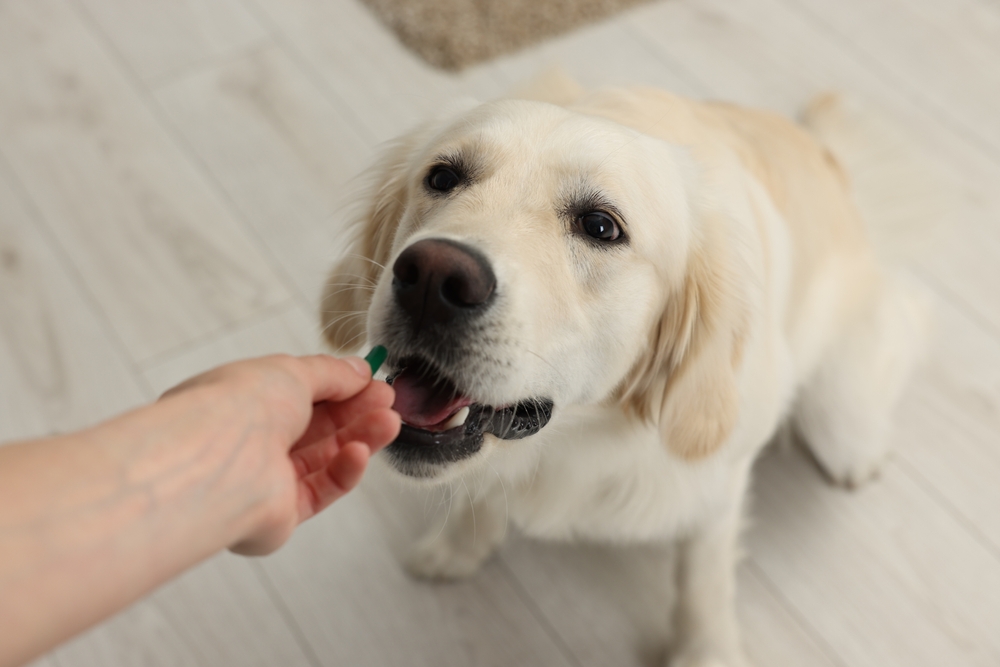
Most supplements come in chewable treats, powders, or capsules. The easiest way is to mix them with food or give them as a flavored chew.
How long does it take for supplements to work?
It depends on the dog and the type of supplement. Some improvements like better energy or coat health may be seen within a few weeks, while joint support may take longer.