
Every loving dog owner wants their furry companion to feel comfortable, happy, and healthy. One of the key indicators of a dog’s overall wellbeing is their skin and coat. A healthy, soft coat is more than just beauty, it reflects the internal health of your dog. Yet, many Australian pet parents struggle with dry, itchy, or irritated skin and wonder how to fix it naturally and effectively. This is where proper dog skin care comes in.
This ultimate guide will explain how your dog’s skin works, common issues, and how natural care and supplements can support healthy skin. You will also discover simple tips for at-home care, products that truly help, and ways to protect your dog from discomfort and infection.
Understanding Your Dog’s Skin
Your dog’s skin is a complex organ that does much more than just cover the body. It protects against infections, regulates temperature, prevents water loss, and communicates emotions. The skin is also an early indicator of health problems. Redness, dryness, hair loss, or bumps often point to deeper health concerns.
Healthy skin starts from the inside. Nutrition, hydration, and immunity all play vital roles. When these internal systems are balanced, the skin naturally stays soft, elastic, and protected.
Proper dog skin care includes daily grooming, attention to diet, and sometimes natural supplements to support internal health. Many Australian pet owners are now exploring natural solutions to prevent common skin problems before they start.
Common Skin Problems in Dogs
Even with the best care, some dogs develop skin issues due to breed, environment, allergies, or underlying health problems. Understanding the signs early can help you act before problems escalate.
Dry or Flaky Skin
Dry skin can lead to itchiness, redness, and discomfort. Environmental factors such as cold weather, low humidity, and frequent baths can worsen dryness.
Itchy Skin and Allergies
Dogs often scratch, lick, or chew when they have allergies or irritation. Common triggers include pollen, dust, certain foods, or chemicals in cleaning products.
Hot Spots and Infections
Hot spots are inflamed, infected patches of skin that are painful and itchy. These often develop from excessive scratching or underlying infections.
Dull Coat
A dull, lifeless coat often indicates nutritional deficiencies, poor grooming, or internal imbalances. Healthy skin care is closely linked to nutrition, hydration, and overall wellness.
Why Dog Skin Care Matters
Beyond comfort and appearance, skin health is a reflection of internal wellbeing. Poor skin health can affect your dog’s energy, mood, and even immune system. Dogs with chronic skin issues may become anxious, restless, or uncomfortable, affecting their overall quality of life.
Investing in good dog skin care can prevent long-term problems, reduce veterinary visits, and keep your dog active and happy.
Daily Dog Skin Care Routine
A daily routine can make a significant difference in your dog’s skin and coat health. Here are simple steps you can follow at home.
1. Regular Grooming
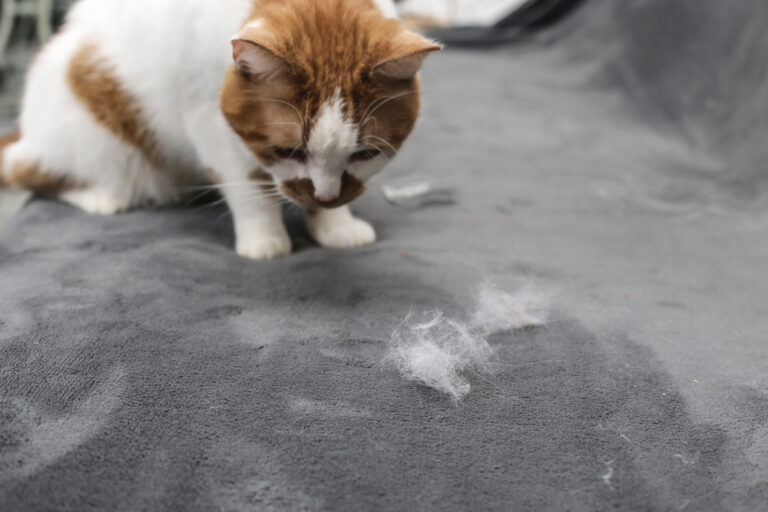
Brushing your dog’s coat regularly removes dirt, loose hair, and dead skin. It also stimulates blood circulation, which helps nutrients reach the skin. For long-haired breeds, daily brushing is ideal, while shorter-haired dogs can benefit from brushing several times a week.
2. Gentle Baths
Bathing helps clean the skin but overbathing can strip natural oils. Use mild, natural shampoos formulated for dogs. Avoid human soaps, which can disrupt the skin’s pH balance.
3. Proper Drying
After baths or outdoor play, dry your dog’s coat thoroughly. Damp skin encourages bacterial or fungal infections.
4. Moisturizing and Soothing
Certain natural oils like coconut oil or aloe vera can be used to moisturize dry areas. They also reduce itching and inflammation.
5. Environmental Care
Keep bedding clean and dry. Avoid exposing your dog to harsh chemicals or allergens in the environment.
These steps form the foundation of at–home dog skin care and prevent many common issues.
Nutrition and Supplements for Healthy Skin
The most effective dog skin care comes from inside the body. Nutrition, hydration, and natural supplements play a vital role in supporting healthy skin and coat.
Balanced Diet
Feed a high-quality diet with adequate protein, healthy fats, and essential vitamins. Omega-3 fatty acids, found in fish oil, help reduce inflammation and maintain skin elasticity.
Natural Skin Supplements
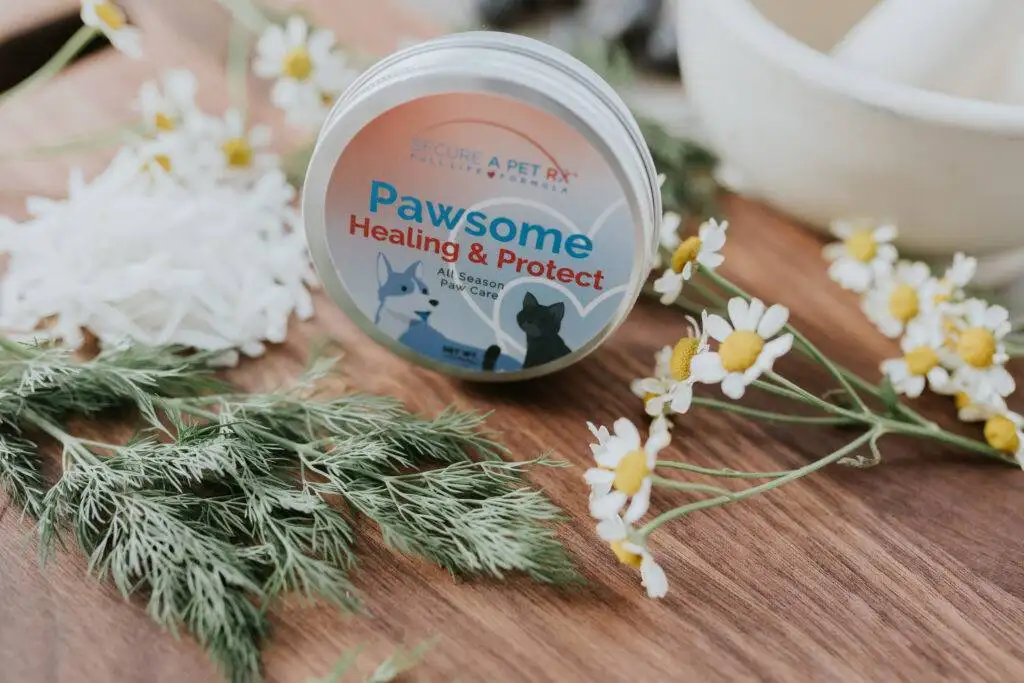
Natural supplements provide targeted support for your dog’s skin. Many Australian pet parents use supplements like Pawsome Healing, which supports skin repair, reduces inflammation, and promotes a healthy coat.
Ingredients in natural supplements often include:
- Medicinal herbs and antioxidants to fight inflammation
- Omega fatty acids for hydration and coat shine
- Vitamins like A, E, and biotin for skin cell regeneration
By supporting internal health, these supplements improve both the appearance and comfort of your dog’s skin.
How to Choose the Best Dog Skin Care Products
Not all products are created equal. Here is how to choose the best dog skin care options:
- Check the Ingredients – Look for natural, safe, and non-toxic components.
- Avoid Harmful Chemicals – Avoid parabens, artificial colour, and fragrances.
- Support Internal Health – Choose products that support both skin and overall health.
- Consult Your Vet – Always check with your veterinarian for specific conditions or allergies.
Many online sellers offer options, including amazon dog skin care, but natural, locally sourced products are often more suitable for Australian pets.
Special Care for Sensitive Skin
Some dogs have particularly sensitive skin due to breed, age, or health conditions. Extra care includes:
- Using hypoallergenic shampoos
- Avoiding frequent baths
- Supplementing with natural vitamins and oils
- Monitoring reactions to foods or environmental changes
Early intervention prevents small irritations from becoming chronic problems.
Tips for Seasonal Skin Care
Australia’s climate can affect your dog’s skin. Seasonal tips include:
- Summer: Protect against sunburn and heat rash. Limit outdoor exposure during peak heat.
- Winter: Moisturize dry skin and avoid long exposure to cold, dry air.
- Spring: Watch for pollen allergies and seasonal irritants.
Combining seasonal care with a good dog skin care routine ensures year-round comfort.
Signs That Your Dog May Need Extra Support
Even with good care, some dogs need additional help. Watch for:
- Persistent itchiness or scratching
- Hair loss or thinning coat
- Red, inflamed patches
- Dull or brittle fur
- Lethargy or low energy
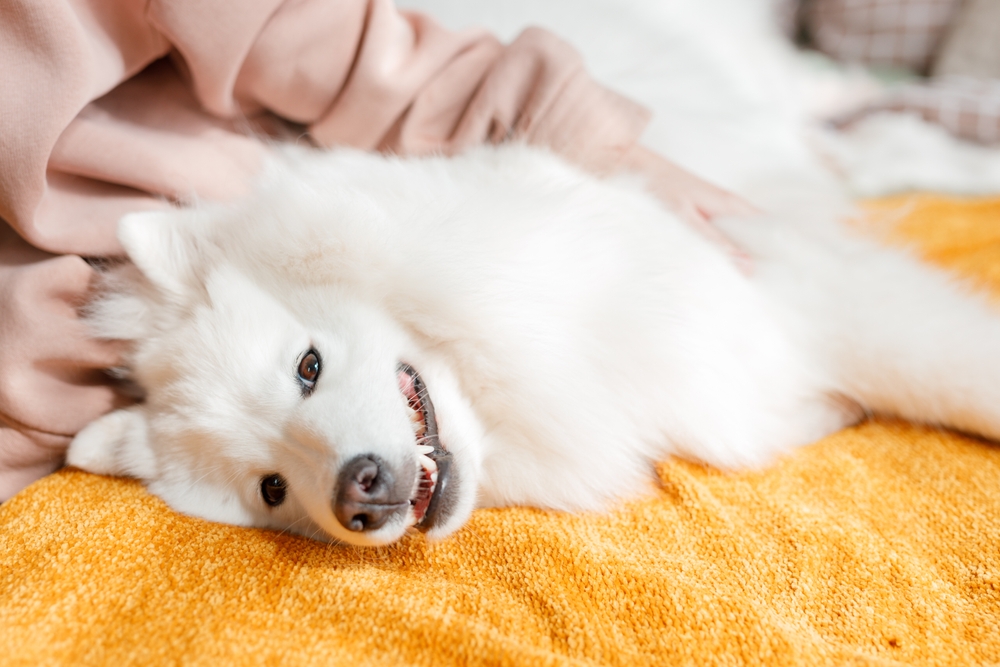
When these signs appear, natural supplements can help restore balance and comfort
For more advice on canine skin health, you can explore trusted veterinary resources These resources provide guidance on diet, grooming, and when to seek veterinary care.
Final Thoughts
Caring for your dog’s skin is more than just maintaining a beautiful coat. Healthy skin reflects internal health, protects against infections, and keeps your dog comfortable and happy. By combining daily grooming, proper nutrition, and natural dog skin care supplements, you can give your furry friend the comfort, protection, and vitality they deserve.
Australian pet parents trust natural products like Pawsome Healing to support their dogs’ skin from the inside out. With a consistent routine and the right supplements, your dog can enjoy soft, healthy, and happy skin for years to come.
FAQs
1. How do I know if my dog needs skin care
Dryness, itching, hair loss, or dull coat are signs your dog needs extra care.
2. Can natural supplements help my dog’s skin
Yes, supplements like Pawsome Healing support skin repair, reduce inflammation, and improve coat health.
3. How often should I groom and bathe my dog
Regular brushing and gentle baths, suited to coat type, keep skin healthy.
4. What ingredients are best for dog skin care
Omega oils, vitamins A and E, biotin, and natural herbs promote healthy skin.