If your dog has ever picked something up from the garden, park, or pavement before you could stop them, you probably know that sudden feeling of panic.
You start wondering what they ate, whether it was safe, and whether you need to do something.
Mushrooms can be especially confusing. Some are commonly eaten by people, while others can be dangerous for dogs. Then there are mushroom supplements made specifically for pets, which are a completely different thing.
So, can dogs eat mushrooms?
The answer depends on the type of mushroom, where it came from, and how it is prepared. Before giving your dog any mushroom, there are a few important things every pet owner should understand.
1. Not every mushroom is safe for dogs
The word mushroom covers a huge variety of fungi.
Some mushrooms are used as food, while others can contain substances that are harmful to dogs. The biggest concern is often not a mushroom bought from a supermarket, but one your dog finds outside.
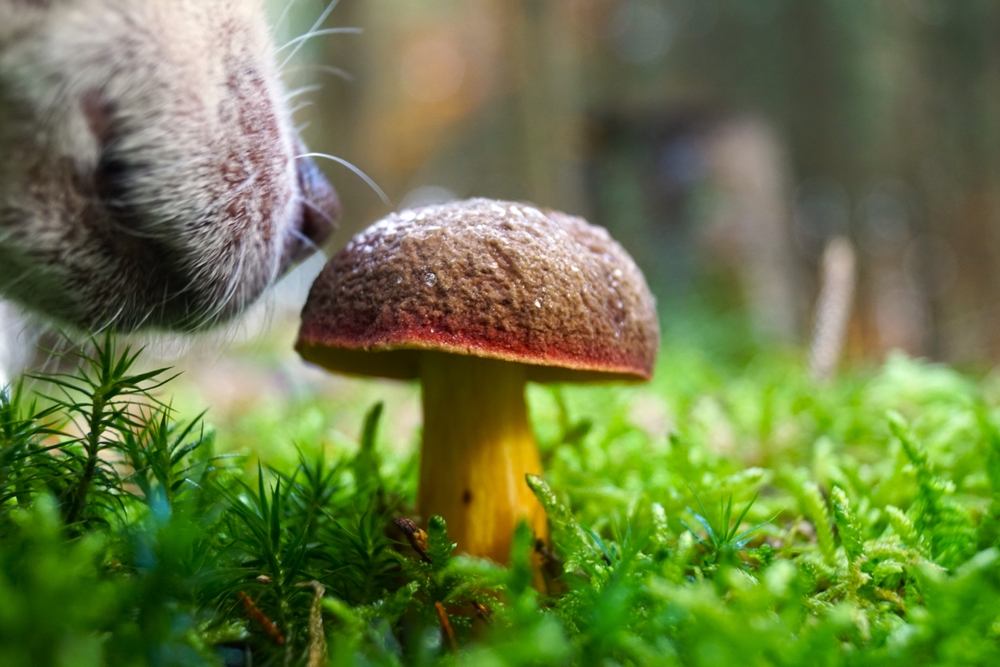
Wild mushrooms can be difficult to identify. Two mushrooms can look very similar while having very different effects if eaten.
This is why you should never assume that a mushroom is safe simply because it looks familiar.
If your dog eats a mushroom that you cannot identify, treat the situation seriously and contact your veterinarian for advice.
2. Store-bought mushrooms are different from wild mushrooms
You may have mushrooms sitting in the refrigerator that you regularly use for cooking.
Common edible mushrooms purchased from reputable food retailers are different from unknown mushrooms growing in your garden or outdoors. However, that does not mean you should simply start adding mushrooms to your dog’s meals without considering preparation and ingredients.
Human meals may contain butter, sauces, salt, garlic, onions or other ingredients that are not suitable for dogs.
If you are thinking about giving your dog a particular food, check that the ingredients are appropriate for them and speak with your veterinarian if you are unsure.
The safest rule is simple.
Never let your dog eat an unidentified mushroom from outdoors.
3. Wild mushrooms can be dangerous
This is one of the most important points for Australian dog owners.
Mushrooms can grow in gardens, parks, bushland and other outdoor areas, particularly when conditions are suitable for fungal growth. A curious dog may sniff around and eat one before you even notice. The problem is that you cannot reliably determine whether a wild mushroom is safe just by looking at it.
Some toxic mushrooms can cause digestive problems, while others can result in much more serious poisoning. Signs can also vary depending on the type of mushroom and how much was consumed.
If you regularly walk your dog in areas where mushrooms grow, keep an eye on what they sniff and eat. Teaching a reliable leave it command can also be extremely useful.
4. What should you do if your dog eats an unknown mushroom
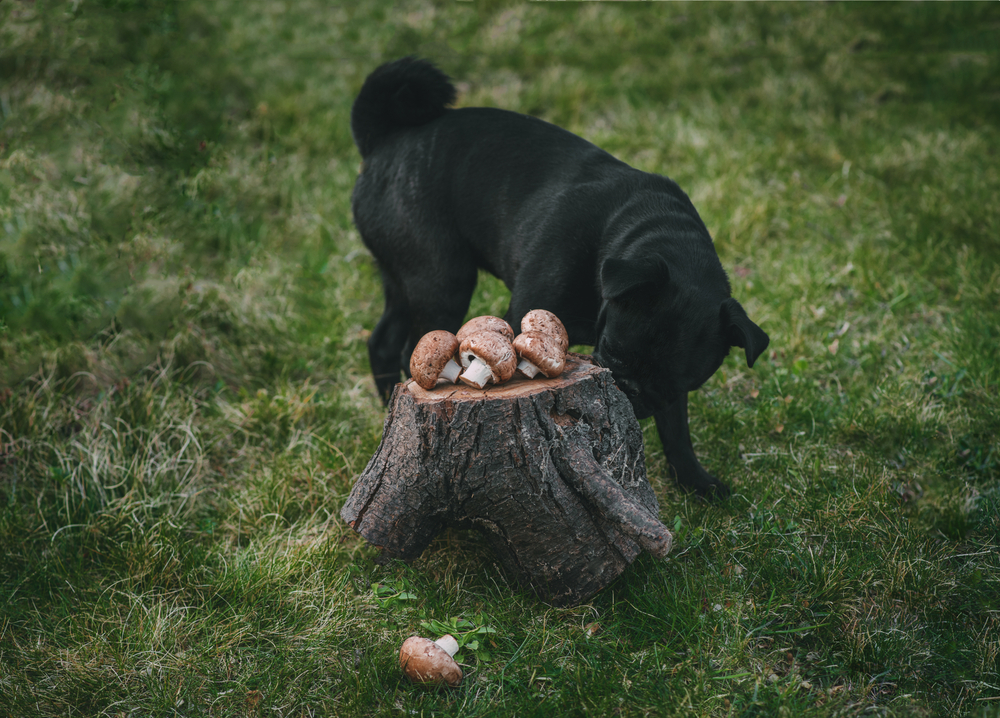
This is the situation many pet owners fear.
You look away for a moment, and suddenly your dog has eaten something you cannot identify.
Try not to panic, but do take it seriously.
If possible, safely take a clear photograph of the mushroom or note where your dog found it. This information may help a veterinarian identify what your dog could have been exposed to.
Contact your veterinarian or an emergency veterinary service for guidance, particularly if the mushroom was wild or unidentified.
Do not wait for symptoms before seeking advice if you know your dog has eaten an unknown mushroom.
Watch for unusual signs such as:
- Vomiting
- Diarrhoea
- Excessive drooling
- Weakness
- Changes in behaviour
- Loss of coordination
- Tremors
- Seizures
- Unusual sleepiness
These signs can have many different causes, so they do not tell you exactly what your dog has eaten. They simply mean that veterinary advice is important.
Do not try to make your dog vomit unless a veterinarian specifically tells you to do so.
5. Mushroom supplements for dogs are different
There is an important difference between your dog eating a random mushroom outdoors and using a mushroom supplement that has been formulated specifically for pets. Pet supplements can contain selected mushroom ingredients in a controlled formula and are designed to be given according to specific serving instructions.
This is why pet owners should look at the complete product rather than simply thinking, “Mushrooms are healthy, so any mushroom must be good for my dog.”
That is not how nutrition works.
When choosing a mushroom supplement, check the ingredients, intended animals, serving instructions, and product information.
It is also worth speaking with your veterinarian before introducing a new supplement if your dog has an existing health condition or takes medication.
6. Which mushrooms are used in dog supplements
You may have noticed that mushroom supplements for dogs often contain several different mushroom varieties.
Some commonly used functional mushrooms include:
Turkey Tail
Turkey Tail is known for its naturally occurring compounds and is commonly included in functional mushroom formulas designed for pet wellness.
Reishi
Reishi is another mushroom frequently used in pet wellness products and is valued for its nutritional compounds and traditional use.
Shiitake
Shiitake mushrooms contain naturally occurring nutrients and compounds and are commonly included in mushroom-based wellness formulas.
Maitake
Maitake is another functional mushroom used in some pet supplements as part of a broader nutritional formula.
Cordyceps
Cordyceps is commonly found in functional mushroom products and is included in some formulas designed to support overall pet wellness.
Chaga
Chaga contains naturally occurring antioxidant compounds and is used in some mushroom-based nutritional products.
Phellinus
Phellinus is less familiar to many pet owners but can also be included in multi-mushroom formulas.
The important point is that these ingredients should be considered as part of an overall nutritional formula rather than as miracle ingredients.
A supplement should complement a suitable diet and regular veterinary care.
7. What should you look for in a mushroom supplement
If you are considering a mushroom supplement for your dog, do not simply choose the first product you see.
Look at what is actually inside it.
A good starting checklist includes:
- Clear ingredient information
- A formula intended for pets
- Clear serving instructions
- Information about which animals the product is suitable for
- Quality ingredients
- Easy administration
- Appropriate storage instructions
It is also useful to consider your dog’s individual needs.
A young, healthy dog may have very different nutritional needs from an older dog or one taking medication.
If you are unsure whether a supplement is appropriate, your veterinarian can help you make an informed decision.
Mushroom Power for everyday pet wellness
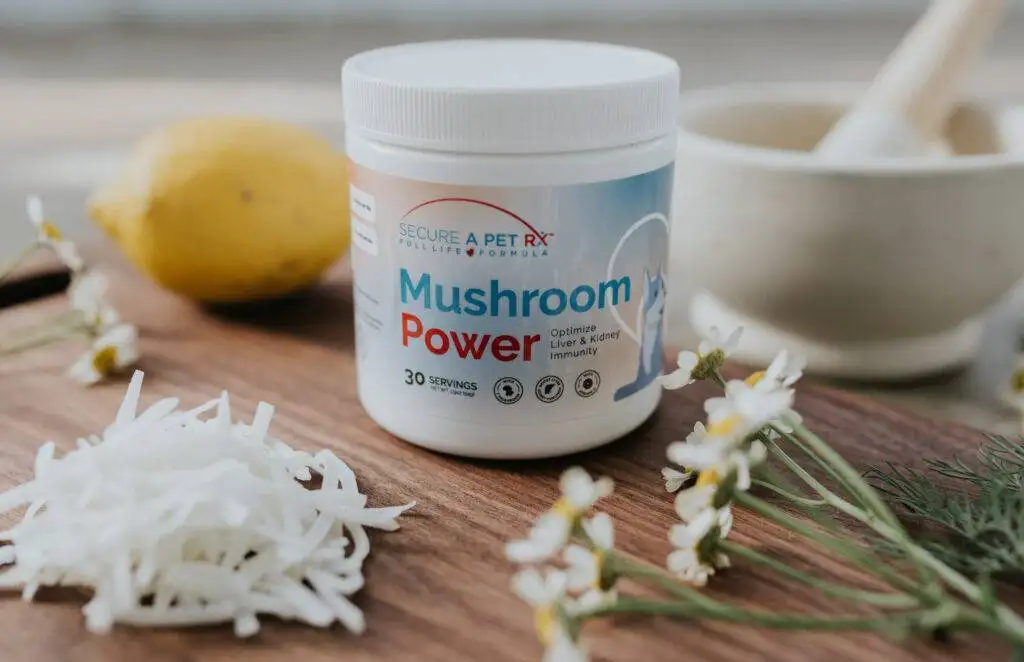
For pet owners who are interested in mushroom-based nutritional support, Mushroom Power from Secure a Pet RX™ offers a convenient option designed for both dogs and cats.
Instead of relying on one mushroom, the formula combines seven mushroom ingredients:
- Turkey Tail
- Reishi
- Shiitake
- Maitake
- Cordyceps
- Chaga
- Phellinus
It also contains Vitamin C and real beef liver.
The beef liver helps make the powder more appealing to pets, while the formula is designed to be easily mixed into their meals. The combination is intended to provide nutritional support for areas such as immune wellness, antioxidant support, and skin and coat health.
For pet owners who find tablets difficult to give, a powder that can be mixed with food can also make a daily routine much easier.
You can learn more about the ingredients and formula on the Mushroom Power product page.
The important distinction is that a product like this is a formulated pet supplement. It is not the same as allowing your dog to eat unknown mushrooms found outdoors.
If your dog has a medical condition, takes medication, or you have concerns about adding a supplement to their diet, speak with your veterinarian first.
A few common mushroom mistakes to avoid
Pet owners usually have good intentions when they give their dogs new foods or supplements. However, a few simple mistakes can create unnecessary problems.
Letting dogs eat mushrooms outside
A dog may see a mushroom in the grass and treat it like a snack. Try to prevent this, particularly in areas where wild mushrooms grow.
Assuming every edible mushroom is suitable
Something that is safe for people is not automatically appropriate for dogs, especially when it has been cooked with other ingredients.
Giving human mushroom products
Human supplements can contain additional ingredients or serving amounts that are not appropriate for pets. Choose products specifically intended for dogs or other animals they are labelled for.
Adding too many supplements
Your dog does not necessarily need several different supplements. Look at their complete diet and consider whether an additional product actually fits their needs.
Ignoring changes in your dog’s health
A supplement should not be used to explain away symptoms or delay veterinary care. If your dog is unwell, speak with your veterinarian.
Can mushrooms be part of a dog’s wellness routine?
For many pet owners, the goal is not simply to find something new to feed their dog. It is about helping their companion stay happy, active, and well cared for throughout life. That is why understanding the difference between wild mushrooms, edible foods and pet-formulated mushroom supplements matters.
If your dog finds a mushroom outdoors, focus on safety and seek veterinary advice when necessary. If you are considering a mushroom supplement, look for a transparent formula, appropriate ingredients and clear instructions.
Most importantly, remember that supplements are just one part of your dog’s overall wellbeing. A balanced diet, fresh water, exercise, mental stimulation, preventative care and regular veterinary checks all matter too.
Conclusion
So, can dogs eat mushrooms?
There is no simple yes or no answer.
Unknown and wild mushrooms should always be treated with caution because some can be toxic to dogs. If your dog eats an unidentified mushroom, contact your veterinarian for advice rather than waiting to see what happens.
When it comes to mushroom supplements, the situation is different. A properly formulated pet supplement can provide selected mushroom ingredients in a controlled and convenient form.
For pet owners interested in adding mushroom-based nutritional support to their dog’s routine, products such as Mushroom Power offer a combination of Turkey Tail, Reishi, Shiitake, Maitake, Cordyceps, Chaga and Phellinus, together with Vitamin C and real beef liver.
Being careful about what goes into your dog’s bowl is one of the simplest ways to show how much you care. Sometimes, the best thing you can do for your pet is simply know what is safe, know what to avoid, and ask for professional help when you are unsure.
FAQs
Can dogs eat mushrooms?
It depends on the type. Unknown or wild mushrooms should not be considered safe because some can be toxic to dogs. If your dog eats an unidentified mushroom, contact your veterinarian for advice.
Are mushrooms toxic to dogs?
Some mushrooms can be toxic to dogs. The appearance of a wild mushroom cannot reliably tell you whether it is safe, so dogs should be prevented from eating unidentified mushrooms outdoors.
Can dogs eat cooked mushrooms?
Some plain edible mushrooms may be different from wild mushrooms, but human mushroom dishes can contain ingredients such as onion, garlic, butter, salt or sauces that are unsuitable for dogs. Always consider the complete ingredients before sharing human food with your pet.
What should I do if my dog eats a wild mushroom?
Contact your veterinarian as soon as possible and explain what happened. If it is safe to do so, take a photograph of the mushroom or note where your dog found it. Do not induce vomiting unless a veterinarian tells you to.
Are mushroom supplements safe for dogs?
Pet-formulated mushroom supplements are designed differently from random mushrooms found outdoors. However, suitability depends on the individual dog, their diet, and health. Speak with your veterinarian before introducing a supplement if your dog has a health condition or takes medication.
What mushrooms are used in dog supplements?
Common functional mushrooms found in pet supplements include Turkey Tail, Reishi, Shiitake, Maitake, Cordyceps, Chaga and Phellinus. Different products use different combinations and additional ingredients.
Can dogs have mushroom powder?
Some mushroom powders are specifically formulated for dogs and can be mixed with their food according to the product instructions. Do not assume that every mushroom powder intended for humans is suitable for dogs.
What should I look for in a mushroom supplement for dogs?
Look for clear ingredients, appropriate serving instructions, a formula intended for pets, and transparent product information. Consider your dog’s individual health needs and speak with your veterinarian if you are unsure.