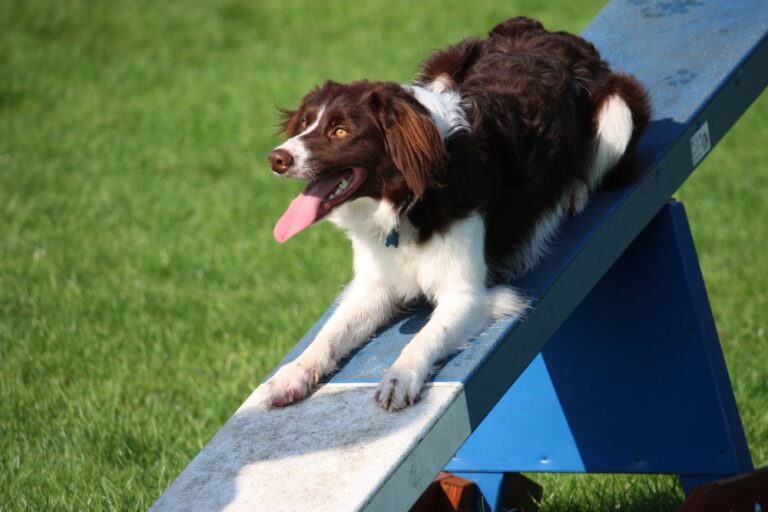

There is something worrying about watching your dog sleep through the day when they used to run around the house, bring you their favourite toy, or get excited the moment you picked up the leash.
You may start wondering, why is my dog always tired?
Is your dog simply having a lazy day? Are they getting older? Could their diet be missing something important? Or is their sudden change in energy a sign that something is not quite right?
As a pet parent, it is completely natural to notice these changes. Dogs cannot tell us when they feel tired, uncomfortable, stressed, or unwell. We often have to understand what they are trying to communicate through their behaviour.
The good news is that lower energy does not always mean something serious. Dogs need plenty of sleep, and their energy levels naturally change with age, activity, weather, stress, and daily routine.
However, if your dog seems tired more often than usual or has stopped enjoying the things they normally love, it is worth paying attention.
Sometimes, simple parts of daily wellness such as nutrition, digestion, activity, and overall health can make a difference.
Why Is My Dog Always Tired?
Every dog has different energy needs.
A young Border Collie may happily spend hours running and playing, while an older dog may prefer a short walk followed by a long nap. A small indoor dog may also have a completely different routine from a large active breed.
So, the first thing to consider is what is normal for your individual dog.
If your dog has always loved sleeping for most of the afternoon but wakes up excited for dinner and enjoys their evening walk, there may be nothing unusual happening.
The concern comes when you notice a clear change.
For example, your dog may suddenly:
- Sleep much more than usual
- Stop asking to play
- Lose interest in walks
- Move more slowly
- Seem less excited about food or treats
- Spend more time lying alone
- Have difficulty getting comfortable
- Seem weak or unusually quiet
When your dog is normally full of personality, even a small change can feel significant.
That is why paying attention to your dog’s normal habits is one of the best things you can do as a pet parent.
Your Dog May Simply Need More Rest
Before assuming that something is wrong, think about what your dog has been doing recently.
Did they have a particularly active day?
Did you take them on a longer walk than usual?
Have they been playing more?
Did they experience something stressful?
Dogs often sleep after periods of increased physical or mental activity.
Puppies also need a lot of sleep because their bodies are growing and developing. Senior dogs commonly sleep more as their activity levels naturally decrease.
Even the weather can affect your dog.
On very hot days, many dogs become less interested in running around and prefer to rest somewhere cool.
A temporary increase in sleep is not necessarily a reason to panic.
What matters is whether your dog returns to their normal behaviour once they have had enough rest.
Nutrition Can Affect Your Dog’s Energy

Think about how you feel when you have not eaten well for several days.
You may feel sluggish, unfocused, or simply not like yourself.
Your dog also needs proper nutrition to support everyday activity.
A balanced diet provides the nutrients their body needs for normal energy, healthy muscles, digestion, immune function, and overall wellbeing.
This is one reason it is important not to look at energy in isolation.
Your dog’s digestion, appetite, body condition, activity level, and general wellbeing all work together.
If a dog is not getting adequate nutrition from their regular diet, or if their nutritional needs have changed because of age or lifestyle, their overall vitality may be affected.
This does not mean every tired dog needs a vitamin supplement.
In fact, supplements should never replace a complete and balanced diet.
Instead, some pet parents choose an appropriate daily supplement as an additional source of nutritional support.
Gut Health and Energy Can Work Together
Your dog’s digestive system does much more than process food.
A healthy digestive system helps your dog make use of the nutrients they consume.
That is why gut health has become an important part of everyday pet wellness.
Dogs can experience digestive changes from diet changes, stress, age, or other factors. Changes in digestion can sometimes affect how comfortable and energetic a dog feels.
Probiotics are commonly used in pet wellness routines to support healthy gut bacteria.
Core Health™ Daily Multi Soft Chews from Secure a Pet RX includes Lactobacillus casei and Lactobacillus fermentum as part of its formula, along with other ingredients selected to support everyday wellness.
The goal is not to turn a tired dog into a constantly energetic dog.
The goal is to support the nutritional foundation that helps your dog stay healthy, active, and comfortable.
Vitamins and Minerals Support Everyday Wellness
Dogs need a range of nutrients to support normal body functions.
These include vitamins, minerals, fatty acids, amino acids, and other nutrients.
Some nutrients support normal immune function. Others are involved in muscles, digestion, skin, coat, joints, or energy metabolism.
For pet parents, this can become confusing quickly.
You may walk into a pet store and see shelves filled with different products claiming to support different areas of your dog’s health.
Do you need a product for digestion?
Another for joints?
Another for skin?
Another for immunity?
Sometimes an all-in-one daily wellness product can be more convenient for pet parents who want to provide nutritional support without managing several separate supplements.
Supporting Your Dog’s Energy From More Than One Direction

When you are asking why is my dog always tired, it can help to look at their complete daily routine instead of focusing on one possible cause.
Ask yourself:
Is my dog eating normally?
Are they drinking normally?
Are they getting enough exercise?
Are they sleeping comfortably?
Are they interested in activities they normally enjoy?
Has anything changed at home?
Has their weight changed?
How are their stools and digestion?
Are they showing signs of discomfort?
These questions can help you understand whether your dog is simply resting more or whether there is a bigger change that deserves attention.
How Daily Wellness Support Can Help
Core Health™ Daily Multi Soft Chews are designed as an all-in-one daily wellness supplement for dogs.
The formula includes several ingredients that support different areas of everyday health.
Support for digestion
The probiotic blend contains Lactobacillus casei and Lactobacillus fermentum to support healthy gut balance.
Papain is also included in the formula as a digestive enzyme.
Support for joints and mobility
The formula contains glucosamine, chondroitin sulfate, and MSM.
These ingredients are included to support joint and mobility wellness, which can be especially useful as dogs become older or for dogs with active lifestyles.
A dog that feels comfortable moving around may be more interested in walks, play, and everyday activities.
Support for skin and coat
Salmon oil and other ingredients provide nutritional support for healthy skin and a shiny coat.
A healthy-looking coat can be one visible part of your dog’s overall wellness.
Support for everyday immune health
Turmeric and ashwagandha are included in the formula alongside other nutritional ingredients.
The product is intended to support general wellness rather than diagnose or treat a medical condition.
Support for normal energy and vitality
L-Carnitine is included in the formula as part of the nutritional support provided by Core Health™.
Combined with a balanced diet, regular activity, proper rest, and good daily care, nutritional support can be one part of maintaining your dog’s overall vitality.
Making Supplements Part of a Simple Routine
One of the biggest challenges with pet care is consistency.
You may have every intention of giving your dog something every day, but if it is difficult to administer, it can quickly become another task that gets forgotten.
Core Health™ comes in a soft chew format.
For many pet parents, this is easier than trying to give their dog a tablet or mix something into every meal.
The product directions recommend adjusting the amount based on age and activity level, with the listed rate of one soft chew per 25 pounds of body weight daily.
Always follow the product directions and speak with your veterinarian if you are unsure what is appropriate for your dog.
What If Your Dog Has Suddenly Lost Interest in Play?
This is where you should pay close attention.
A dog that is slightly tired after a busy day is very different from a dog that suddenly stops wanting to play.
Imagine your dog normally races to the door when you pick up the leash.
Now imagine they barely look up.
You know your dog.
You know what makes their tail wag.
You know how excited they usually become when you come home.
When that personality changes noticeably, it is worth taking seriously.
Look for other changes at the same time.
Has your dog stopped eating?
Are they drinking more or less than normal?
Are they vomiting?
Do they have diarrhoea?
Are they coughing?
Are they having trouble breathing?
Are they limping?
Do they seem painful?
Are their gums unusually pale?
If tiredness is sudden, severe, persistent, or accompanied by other concerning symptoms, contact your veterinarian.
Supplements are intended to support wellness. They should not be used to delay professional veterinary care when a dog may be unwell.
The Australian Government’s Australian Animal Health Laboratory information is also a useful authoritative resource for learning more about animal health and disease research.
Your Dog’s Age Can Change Their Energy
Age is another important piece of the puzzle.
Puppies can sleep for long periods because their bodies are growing rapidly.
Adult dogs often have more predictable energy patterns.
Senior dogs may naturally become less active and spend more time resting.
But ageing should not automatically explain every change.
If your older dog suddenly becomes much less active, seems uncomfortable, or struggles with activities they previously enjoyed, speak with your veterinarian.
Sometimes what looks like normal ageing may actually be something that needs attention.
Your dog deserves to enjoy their later years with as much comfort and quality of life as possible.
Exercise Still Matters
It may seem strange to suggest exercise when your dog already seems tired.
However, appropriate physical activity is an important part of canine wellness.
Regular walks and age-appropriate play can support healthy weight, muscle strength, mobility, mental stimulation, and normal behaviour.
The key is to choose activities that match your dog’s age, breed, fitness, and health.
Do not suddenly expect a dog that has been inactive for months to complete a long run.
Start gradually.
A short walk, gentle play, or simple training session can provide physical and mental stimulation without overwhelming your dog.
Small Changes Can Tell You a Lot
You do not need to become an expert in canine health to understand your dog better.
You simply need to notice patterns.
Keep an eye on:
- Sleeping habits
- Appetite
- Water intake
- Activity levels
- Weight
- Digestion
- Mood
- Interest in play
- Walking ability
- Skin and coat condition
These small observations can be extremely useful when speaking with your veterinarian.
They can also help you recognise changes earlier rather than waiting until your dog is clearly struggling.
Give Your Dog the Everyday Support They Deserve

When you search why is my dog always tired, you may be looking for one simple answer.
Unfortunately, there is not always one.
Your dog’s energy can be influenced by age, lifestyle, nutrition, sleep, activity, stress, digestion, and overall health.
That is why caring for your dog is about more than one product or one routine.
It is about putting together many small pieces.
A nutritious diet.
Fresh water.
Regular movement.
Enough rest.
Mental stimulation.
Regular veterinary care.
And, when appropriate, nutritional support.
For pet parents looking for an all-in-one daily supplement, Core Health™ Daily Multi Soft Chews provide nutritional support for digestion, immune health, joints, mobility, skin, coat, and everyday vitality in a soft chew format.
At $38.95 for 60 servings, it is also designed to be a convenient option for daily supplementation.
Most importantly, remember that you know your dog better than anyone.
If their normal spark has disappeared, do not simply ignore it.
Watch them.
Listen to what their behaviour is telling you.
Give them the care, nutrition, rest, and attention they need.
And when something does not feel right, ask your veterinarian.
Because sometimes, the best thing you can do for your dog is simply notice that something has changed.
Final Thoughts
A tired dog is not always a sick dog.
Sometimes they simply need a good nap after a busy day.
But when the dog who once chased toys around the garden suddenly prefers to lie quietly in the corner, you notice.
That is what loving your dog means.
You notice the little things.
You notice when the tail does not wag quite as much.
You notice when the walk does not seem as exciting.
You notice when your dog is not quite themselves.
If you have been asking why is my dog always tired, start by looking at the bigger picture. Consider their age, routine, diet, activity, sleep, digestion, and behaviour.
Give them a healthy foundation and appropriate daily care.
And if the change continues or something feels wrong, do not wait for it to become worse. Your veterinarian is the right person to help find the cause.
Your dog cannot explain how they feel.
Sometimes, they simply rely on you to notice.
Frequently Asked Questions
Why is my dog always tired but still eating normally?
A dog can become tired for many reasons, including age, increased activity, hot weather, stress, poor sleep, or changes in routine. If the tiredness is new, persistent, or getting worse, speak with your veterinarian even if your dog is still eating normally.
How much sleep does a dog need?
Sleep needs vary depending on age, breed, activity, and individual health. Puppies and senior dogs often sleep more than healthy adult dogs. The most important thing is to notice changes from your dog’s normal sleeping pattern.
Can nutrition affect my dog’s energy?
Yes. Proper nutrition provides the nutrients needed for normal body functions, activity, digestion, immune health, and overall wellness. A balanced diet should remain the foundation of your dog’s nutrition.
Should I give my tired dog a multivitamin?
Not every tired dog needs a multivitamin. If your dog has a complete and balanced diet, additional supplementation may not always be necessary. If you are considering a supplement, discuss your dog’s individual needs with your veterinarian.
Can probiotics help support my dog’s digestion?
Probiotics can provide beneficial bacteria that support healthy gut balance. Core Health™ Daily Multi Soft Chews contain Lactobacillus casei and Lactobacillus fermentum as part of their nutritional formula.
Can an older dog naturally have less energy?
Yes. Senior dogs often become less active and sleep more. However, a significant or sudden change should not automatically be blamed on age. A veterinarian can help determine whether an underlying health issue needs attention.
When should I worry about my dog being tired?
Contact your veterinarian if your dog has persistent or sudden low energy, especially if it occurs with changes in appetite, vomiting, diarrhoea, breathing problems, pain, weakness, unusual behaviour, or difficulty walking.
Can Core Health™ Daily Multi Soft Chews replace my dog’s regular food?
No. A supplement should complement a balanced diet, not replace your dog’s regular food. Core Health™ is designed as daily nutritional support for overall wellness.
How do I know if my dog needs extra nutritional support?
Consider your dog’s age, diet, lifestyle, activity level, and overall condition. Your veterinarian can help you decide whether supplementation is appropriate for your individual dog.