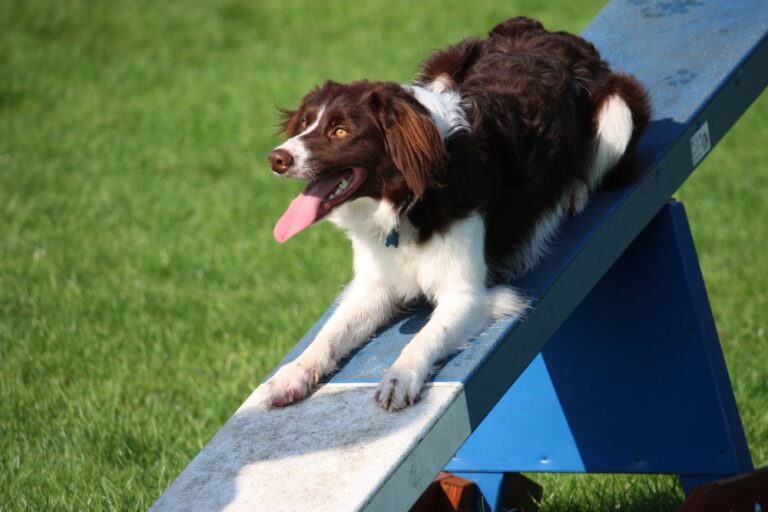

Have you noticed your dog taking longer to stand up after a nap? Maybe they hesitate before climbing stairs, seem slower during walks, or no longer rush to greet you at the door like they used to. Seeing these changes can be difficult for any pet owner.
Dogs are family. When they appear uncomfortable or struggle with simple movements, it is natural to worry. Many pet parents wonder if their dog is simply getting older or if something more serious is happening.
If you have a dog struggling to get up, it is important to pay attention. While aging can play a role, difficulty standing, walking, or moving comfortably can also be linked to joint stiffness, reduced flexibility, or mobility challenges.
The good news is that there are ways to support your dog’s joint health and help them stay active and comfortable. In this guide, we will explore common causes of mobility issues, signs to watch for, and natural ways to support your furry companion’s movement and quality of life.
Why Is My Dog Struggling to Get Up
Many pet owners first notice a problem when their dog takes longer than usual to stand after resting.
A dog struggling to get up may experience discomfort in their joints, muscles, or connective tissues. These issues can develop gradually, making them easy to overlook at first.
Common reasons include:
- Age related joint wear
- Reduced cartilage support
- Joint stiffness
- Previous injuries
- Increased body weight
- High activity levels over many years
- Reduced flexibility
- Recovery from physical strain
As dogs age, the protective cushioning within their joints can naturally change. This may lead to reduced comfort and make movement more challenging.
Signs Your Dog May Need Joint Support
Mobility changes often happen slowly. Because of this, many pet owners do not realize there is a problem until symptoms become more noticeable.
Watch for these signs:
- Difficulty standing after lying down
- Reluctance to climb stairs
- Slower movement during walks
- Less interest in playing
- Hesitation before jumping
- Stiffness after exercise
- Limping or favoring a leg
- Reduced energy levels
- Sleeping more than usual
- Difficulty getting into the car
If you notice several of these signs, your dog may benefit from additional joint and mobility support.
The Emotional Side of Watching Your Dog Slow Down
One of the hardest parts of being a pet owner is seeing your dog struggle with activities they once loved.
Many people remember the days when their dog would sprint across the yard, chase a ball for hours, or jump excitedly at the sound of a leash. When those moments begin to fade, it can feel heartbreaking.
You may find yourself wondering:
- Are they in pain?
- Are they getting too old?
- Is there anything I can do to help?
These concerns are completely understandable. Every loving pet parent wants their dog to enjoy a happy, active life for as long as possible.
The good news is that supporting joint health early can make a meaningful difference in your dog’s comfort and mobility.
Why Joint Health Matters for Dogs
Healthy joints allow dogs to move comfortably throughout their lives.
Joints are responsible for smooth movement, flexibility, and stability. Cartilage acts as a cushion between bones, helping reduce friction during movement.
Over time, natural wear and tear can affect joint function. This is especially common in:
- Senior dogs
- Large breed dogs
- Working dogs
- Active dogs
- Dogs with previous injuries
Supporting joint health helps maintain mobility, flexibility, and overall quality of life.
Simple Ways to Support Your Dog’s Mobility
If you have a dog struggling to get up, there are several steps you can take to help support their comfort.
Maintain a Healthy Weight
Extra weight places additional pressure on joints. Keeping your dog at a healthy weight can help reduce unnecessary strain.
Encourage Gentle Exercise
Regular movement helps support flexibility and muscle strength.
Short walks, gentle play sessions, and controlled activity can often be beneficial.
Provide Comfortable Bedding
Orthopedic or supportive bedding can help reduce pressure on joints while your dog rests.
Use Non Slip Surfaces
Slippery floors can make mobility issues worse. Adding rugs or non slip mats may help your dog move with greater confidence.
Consider Joint Support Supplements
Many pet owners choose natural joint supplements to support flexibility, comfort, and long term mobility.
This approach can help provide nutritional support for dogs experiencing age related stiffness or reduced movement.
A Natural Joint Support Option for Dogs
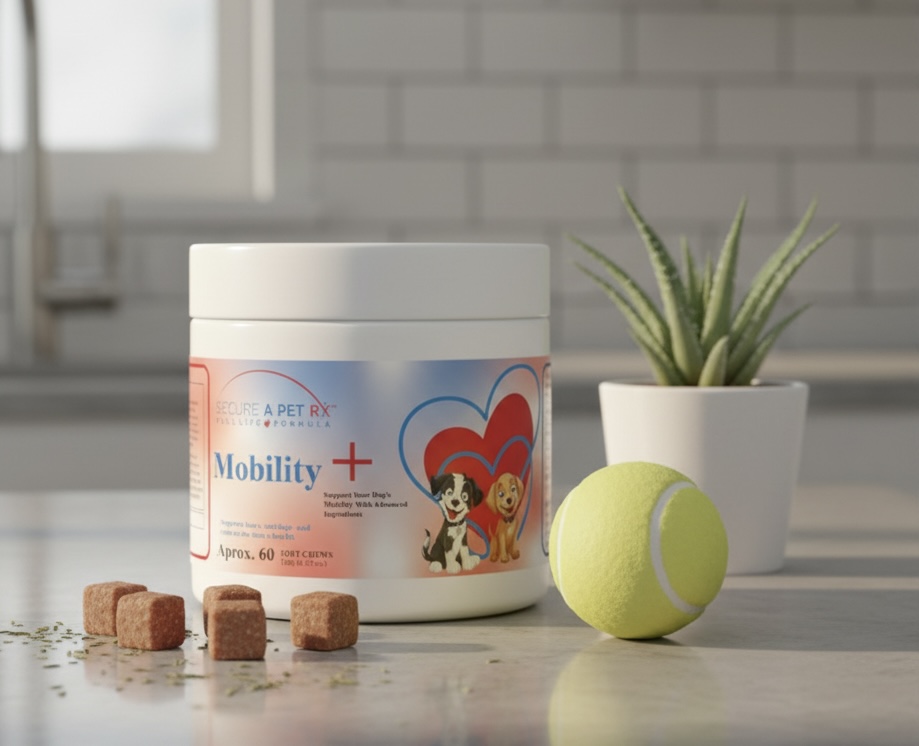
When looking for ways to support a dog struggling to get up, many pet owners seek a supplement that targets multiple aspects of joint health.
One option is Mobility+™ from Secure a Pet RX™, a soft chew formula designed to promote comfort, flexibility, and long term mobility.
This veterinarian recommended formula combines several ingredients known for supporting healthy joints, connective tissues, and movement.
Rather than focusing on a single ingredient, Mobility+™ uses a blend of joint support nutrients to help dogs stay active and comfortable throughout every stage of life.
How Mobility+™ Supports Joint Health
Mobility+™ was developed to help dogs maintain healthy movement and mobility.
Some of its key benefits include:
- Supports joint structure and cartilage health
- Encourages flexibility and movement comfort
- Promotes collagen production
- Supports connective tissue health
- Helps maintain long term mobility
- Suitable for senior and active dogs
- Easy to administer soft chew format
For pet owners concerned about a dog struggling to get up, this type of daily support may help maintain comfort and quality of life.
Understanding the Ingredients in Mobility+™
The strength of any supplement lies in its ingredients. Mobility+™ contains several well known components that work together to support joint health.
Glucosamine
Glucosamine plays an important role in maintaining healthy cartilage.
Cartilage acts as a cushion within joints, helping dogs move comfortably. Supporting cartilage health may contribute to smoother movement over time.
Chondroitin Sulfate
Chondroitin works alongside glucosamine to support joint structure and cushioning.
It is commonly included in joint support formulas because of its role in maintaining healthy cartilage.
MSM
Methylsulfonylmethane, commonly known as MSM, supports flexibility and comfortable movement.
It is often used in mobility supplements to help maintain healthy joints and connective tissues.
Turmeric
Turmeric contains natural antioxidant compounds that help support overall wellness.
It is widely used to support healthy inflammatory responses and joint comfort.
Boswellia Serrata
Boswellia has been traditionally used to help support mobility and everyday comfort.
Many pet owners appreciate its role in maintaining joint function as dogs age.
Devil’s Claw Root Extract
This botanical ingredient is often included in mobility formulas because it helps support movement and flexibility.
Collagen
Collagen is an important component of connective tissues.
Supporting collagen production can help maintain joint strength and elasticity.
Egg Shell Membrane
Egg shell membrane contains naturally occurring compounds that support joint flexibility and mobility.
Together with collagen, it helps provide comprehensive support for active and aging dogs.
Which Dogs Can Benefit From Joint Support

Joint support is not only for senior dogs.
Many different dogs can benefit from proactive mobility care.
Senior Dogs
Older dogs often experience natural changes in flexibility and movement.
Active Dogs
Dogs that run, jump, and play frequently place significant demands on their joints.
Large Breed Dogs
Larger dogs may experience greater joint stress due to their size and weight.
Working Dogs
Dogs involved in physical activities can benefit from ongoing joint support.
Dogs Recovering From Stiffness
Dogs that show signs of reduced mobility may benefit from nutritional support aimed at maintaining joint health.
Additional Ways to Help Your Dog Stay Active
Supporting mobility goes beyond supplements alone.
A complete approach may include:
- Regular veterinary checkups
- Appropriate exercise
- Weight management
- Comfortable sleeping areas
- Joint support nutrition
- Daily mobility supplements
According to the American Kennel Club, joint support supplements can be an important part of maintaining mobility and comfort in dogs when used appropriately alongside veterinary guidance.
For additional pet wellness products, you can also explore the Secure a Pet RX™ .
Conclusion
Seeing a dog struggling to get up can be concerning for any pet owner. Whether it happens after a nap, during a walk, or while climbing stairs, mobility changes often signal that your dog may need extra support.
The earlier you recognize these signs, the more opportunities you have to help maintain your dog’s comfort and quality of life.
Simple lifestyle changes, regular veterinary care, and targeted nutritional support can all play a valuable role in helping your dog stay active and happy.
Mobility+™ from Secure a Pet RX™ offers a thoughtful combination of glucosamine, chondroitin, MSM, turmeric, boswellia, collagen, and other joint supporting ingredients designed to promote flexibility, movement, and long term mobility.
Every dog deserves the chance to enjoy walks, playtime, and everyday activities with comfort and confidence. Taking steps to support joint health today may help your furry companion enjoy many more happy adventures tomorrow.
Frequently Asked Questions
Why is my dog struggling to get up after resting?
A dog struggling to get up may be experiencing joint stiffness, reduced flexibility, age related mobility changes, or discomfort associated with daily movement. A veterinary evaluation can help determine the cause.
At what age do dogs start experiencing mobility issues?
Every dog is different. Some dogs may begin showing signs of stiffness as they age, while others remain active well into their senior years.
Can joint supplements help dogs move more comfortably?
Many joint supplements contain ingredients that support cartilage, connective tissue, and flexibility, helping maintain comfortable movement.
Is Mobility+™ suitable for active dogs?
Yes. Mobility+™ is formulated for dogs of various ages and activity levels, including active breeds that place greater demands on their joints.
How long does it take to see results from a joint supplement?
Results vary between dogs. Consistent daily use is typically recommended for ongoing joint support.
Should I talk to my veterinarian before starting a supplement?
Yes. It is always best to consult your veterinarian before introducing any new supplement, especially if your dog has a medical condition or is taking medication.